

Epazote, Oaxaca Red (Organic)
Dysphania ambrosioides. 60-70 days.
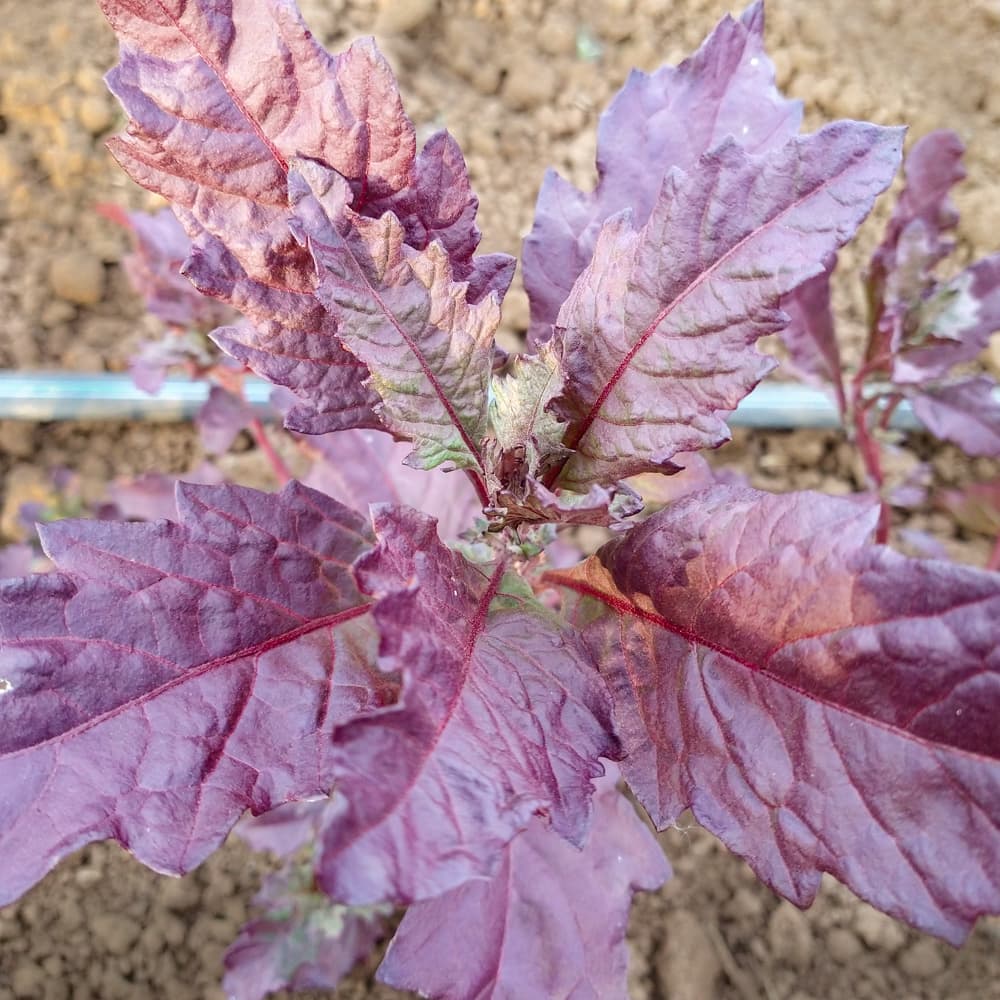
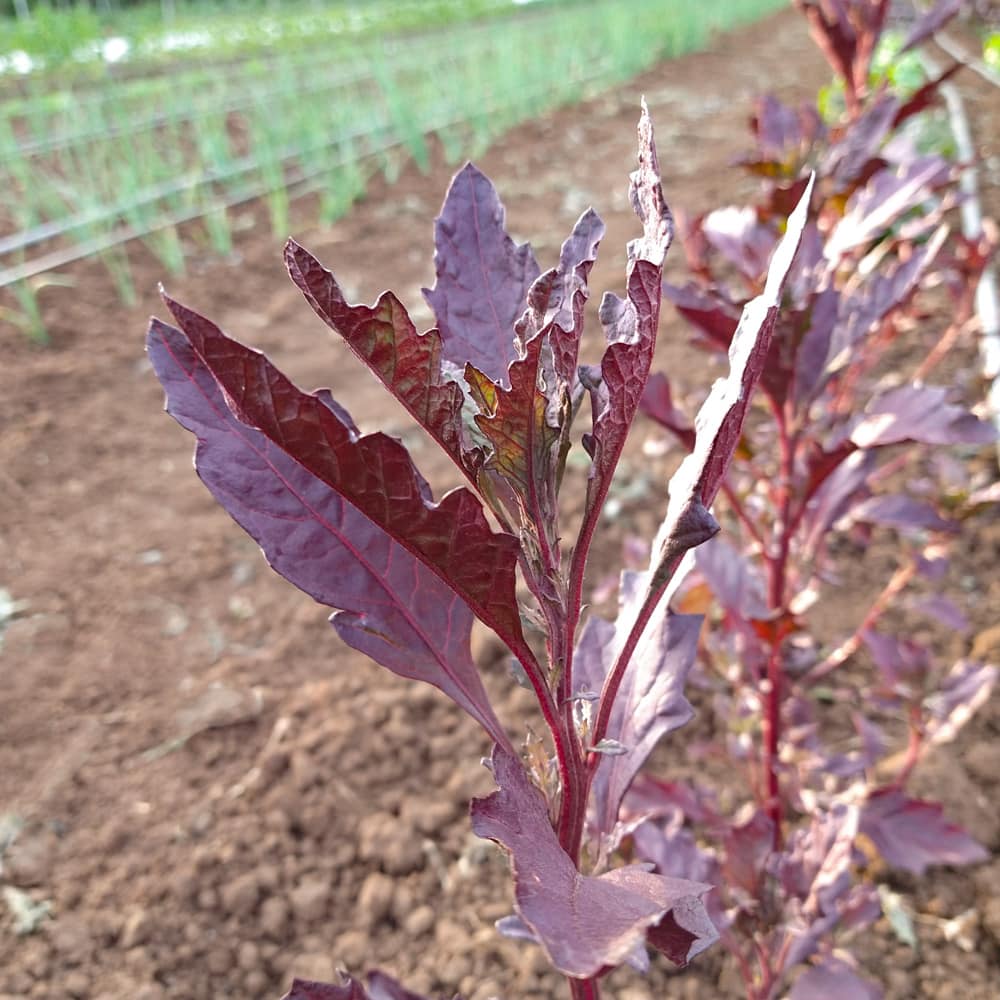
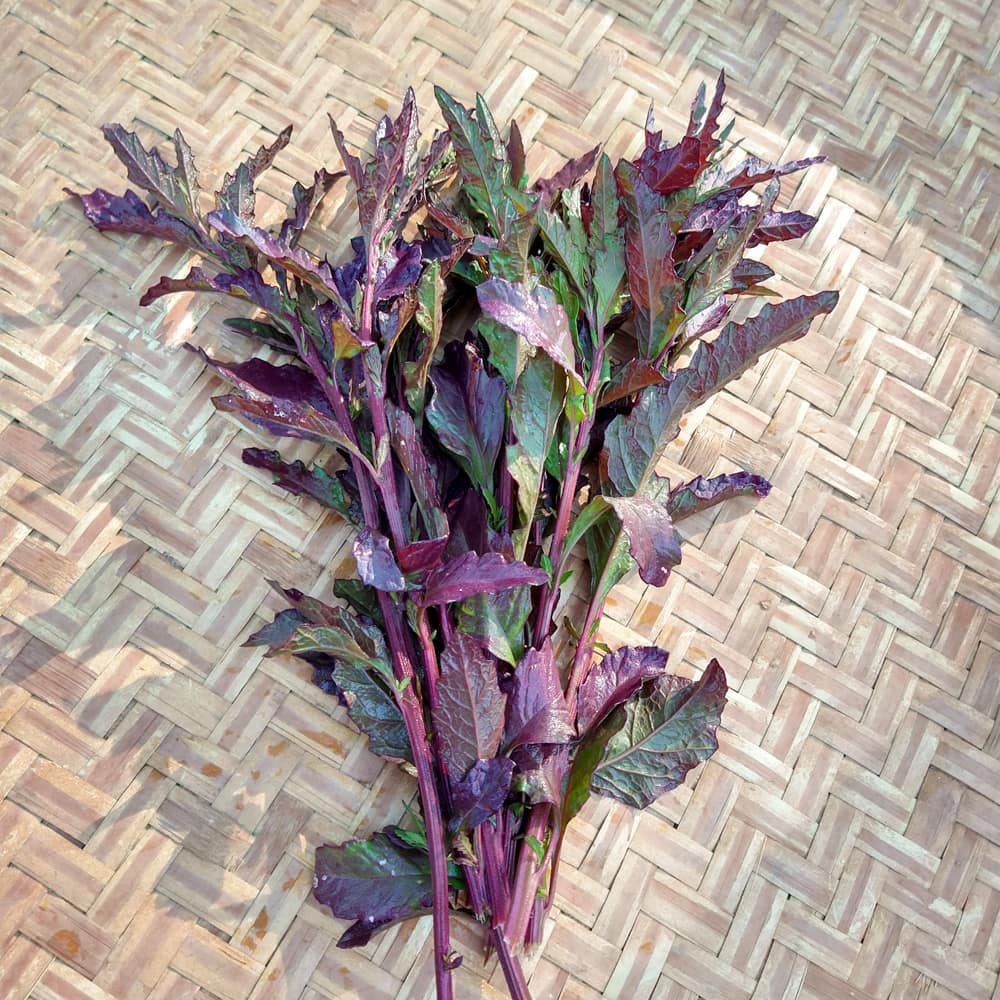
Pungent leafy herb used in many Mexican recipes, especially good when combined with beans or soups. Oaxaca Red Epazote is a special red leaf variation of the often green-leafed plant. Perhaps most famous for its anti-flatulence properties when used in the preparation of dry beans, Epazote offers culinary benefits as well as a digestive assist. Some classic usages, other than cooked with beans, are in soups, tamales, combined with huitlacoche or added to green salsas for chilaquiles. One of the most unique culinary flavors in the world. Used in Mexico since prehispanic times and its name is from the Nahuatl word epazōtl. Some say the scent is like turpentine but the harshness mellows quickly when lightly cooked, becoming complex and difficult to describe. Other common names including Mexican Tea and Wormseed point to its traditional uses as a digestive aid that calms bloating and stomach cramps, and its traditional use as a vermifuge. This red selection originates in Oaxaca, Mexico, and came to us via Richters in Canada.


| Geographical Origin |
|---|
Sow seeds shallowly or on the soil surface. Sow indoors for transplant beginning 6 weeks before last frost. Thin plants or transplant to 6-12” apart in full sun. May be direct Sown into warm soil. May self seed if plants are allowed to fully mature.
Germination: 7-14 days at 70°F
Seed Saving
Cut seedheads when seeds black and hard, thresh by hand rubbing or by dancing, winnow to clean. Some cross-pollination may occur, isolate from varieties of the same species by 500 ft.
rbgardner (verified owner) –
Where did you grow this variety? Oregon
I was surprised at how beautiful this plant is. The leaves turn scarlet red in the late summer, and with a milk-carton cloche over it I think it may survive the Oregon coastal winter (zone 8a). The flavor is great, but maybe a bit less aromatic than the more common green. I had two plants that produced far more than I would use in a home kitchen. And with all epazotes, these have minute seeds that will spread far and wide. I don’t know how well they will volunteer in coastal Oregon, but I prune the heads in the late summer to keep them from seeding where I don’t want them.
Upvote if this was helpful (0) Downvote if this was not helpful (0) Watch Unwatch Flag for removal