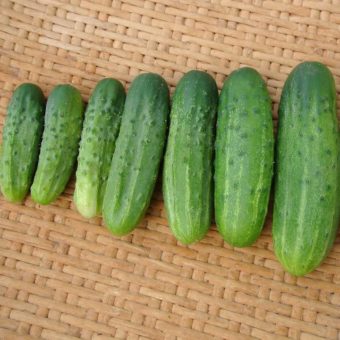
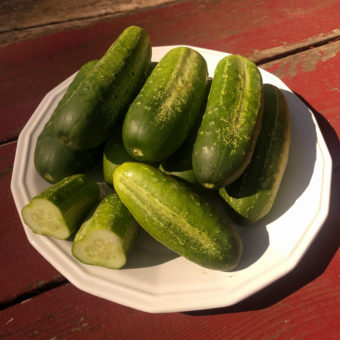
Cucumis sativus. Pickling. 55 days. Pickling type that is also great for fresh eating. Addis Pickle cucumber is so productive, Sarah ate one almost every day for lunch from the single (under-watered) plant in the kitchen garden from late July into September. Dark green with white spines, 5–7” cylindrical fruit are good for processing. Bred…
Select options
This product has multiple variants. The options may be chosen on the product page
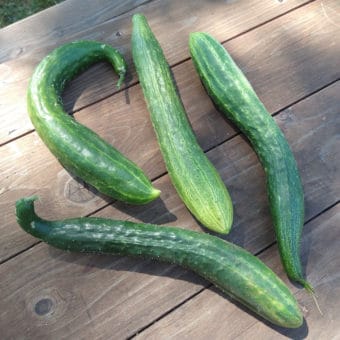
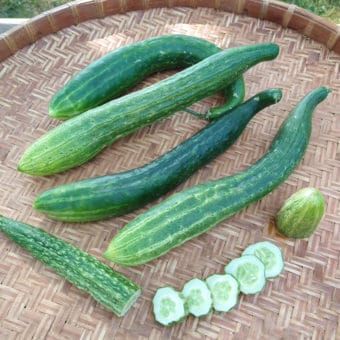
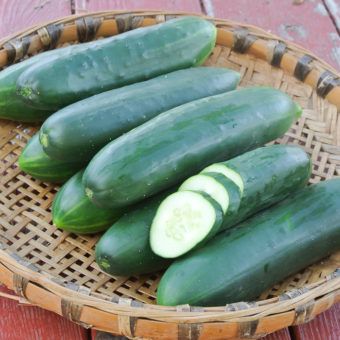
Cucumis sativus. Slicing. 60 days. Dark green, long Chinese trellising type cucumbers average 10-12” long and have very few seeds. Early maturing, crisp texture and good flavor. We grow Jin Yang #2 cucumbers outdoors without a trellis and end up with perfectly good but curved cucumbers; for straight cukes we recommend trellising. Sourced from our…
Select options
This product has multiple variants. The options may be chosen on the product page
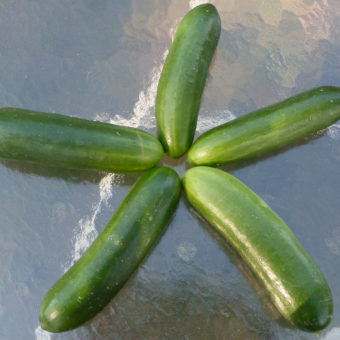
Cucumis sativus. Slicing. 50-60 days. Middle Eastern/Mediterranean type cucumber – bright green skin, smooth, mild flavor – with amazing sweet flavor, texture, productivity and appearance. Nobody needs to grow the American type of cucumber – dark-green, bumpy, prone to bitterness – when there are delicious gems like this. Thin skin is remarkably tender yet durable….
Select options
This product has multiple variants. The options may be chosen on the product page
Cucumis sativus. Pickling. 45-50 days. Very early and productive pickling type cucumber. Compact vines are good for container production or those with limited space. Quickly produces lots of fruit, which are great for pickles when small but also delicious sliced and eaten fresh. Fruit have the classic pickle appearance: dark green with soft white spines…
Select options
This product has multiple variants. The options may be chosen on the product page
Cucumis sativus. Slicing. 60-70 days. There’s no need for hybrid cucumbers with wonderful varieties like this around! Dark green skinned, 7-8″ long fruit are juicy, crunchy, and sweet. The yield is remarkable and we highly recommend it for organic farm production or for anyone who wants boxes full of classic slicing cukes. An excellent variety from…
Select options
This product has multiple variants. The options may be chosen on the product page
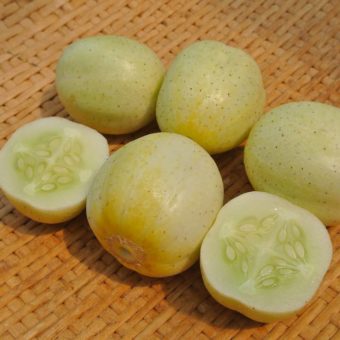
Cucumis sativus. 65 days. Let’s get this out of the way right now: I love lemon cucumbers. I like all cucumbers, but lemon cukes are the only cukes I love. Let me count the ways: They are crisp and delicious, and in addition to being the size, shape, and color of a lemon, mature fruit…
Select options
This product has multiple variants. The options may be chosen on the product page
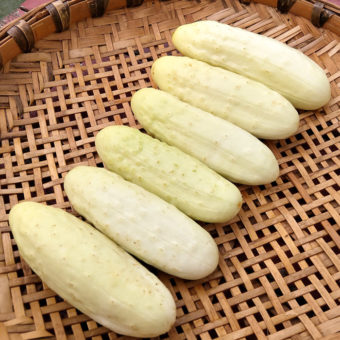
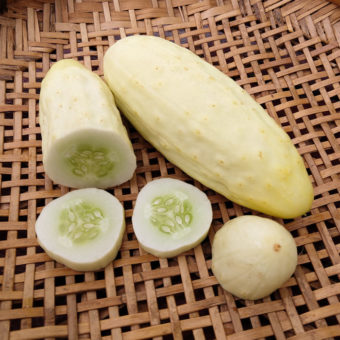
Cucumis sativus. Slicing. 50-60 days. White Heron slicing cucumbers are similar to True Lemon but with a classic slicer shape and lighter white color. Fruit are best harvested under 5” long, when thin skin is still tender enough to make peeling unnecessary. We like to harvest them when the stem end of the fruit just starts…
Select options
This product has multiple variants. The options may be chosen on the product page
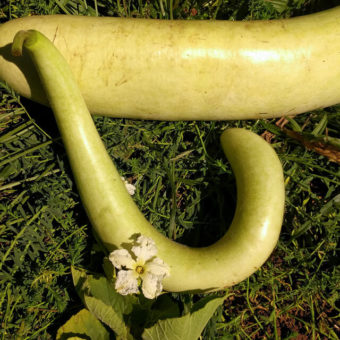
Lagenaria siceraria. Light Green. 65-75 days. The original zucchini grown for thousands of years in Europe, these pale green gourds are best eaten before they reach 12″ long. With their white flesh and very mild flavor they are versatile in the kitchen and can be used in any dish that calls for summer squash. The…
Select options
This product has multiple variants. The options may be chosen on the product page
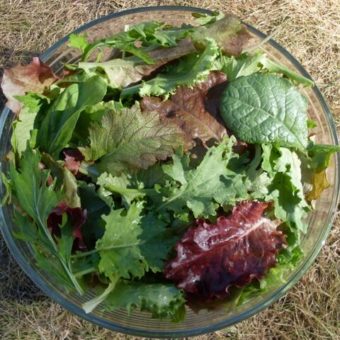
30-60 days. One of the easiest ways to celebrate edible plant diversity is to put it in your salad mix. This is our chosen salad mix for most of the year – except the hottest months. Mixed for deliciousness and beauty, with colors ranging from dark red to vivid green. Also very hardy for winter…
Select options
This product has multiple variants. The options may be chosen on the product page
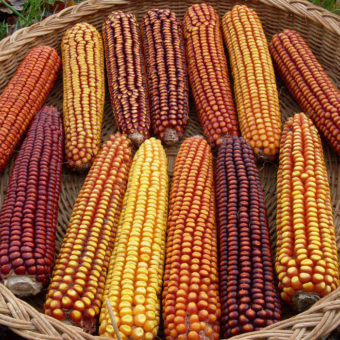
Zea mays. Flinty Dent. 90-100 days. Our main crop field corn that we grow for cornmeal, flour and for making masa. Open Oak Party Mix is the best corn we offer for nixtamalization and making your own hominy or pozole. After grinding, we sometimes sift out the coarse polenta from the flour and we have…
Select options
This product has multiple variants. The options may be chosen on the product page
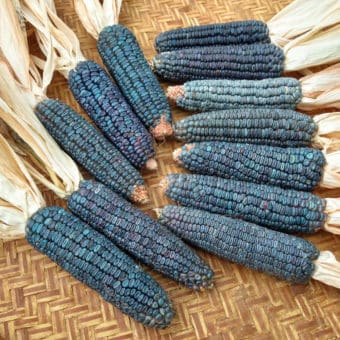
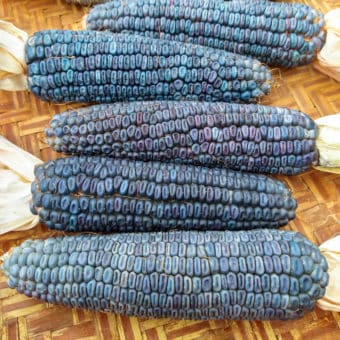
Zea mays. Dent. 90-100 days. One of the most beautiful and uniquely colored corns we have seen, with single colored ears ranging from striking turquoise to bright blue to purple-blue kernels. Strubbe’s Blue Dent Corn is perfect for making your own blue tortilla masa or cornmeal for cornbread. Plants grow to about 7′ tall and…
Select options
This product has multiple variants. The options may be chosen on the product page
Zea mays. Flinty Dent. 90 days. After several years of collaboration with the Dry Farming Institute, we are thrilled to offer Wildfire Dent Corn, a dry farming selection of our own Open Oak Party Mix Dent Corn. Received as breeding material from Dr. Lucas Nebert, of Oregon State University. Wildfire Dent Corn has been collaboratively…
Select options
This product has multiple variants. The options may be chosen on the product page
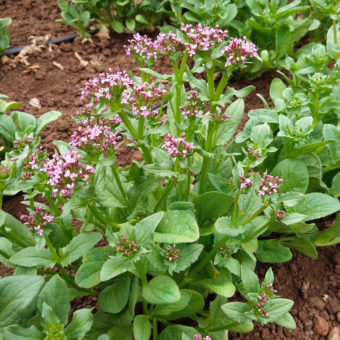
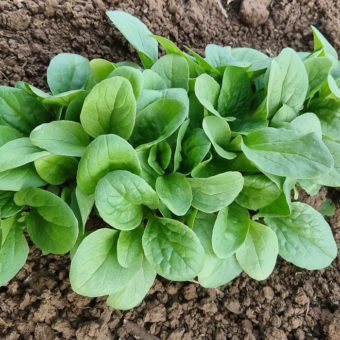
Fedia cornucopiae. 30-40 days. A delicious walnut flavored, tender salad green. Doucette d’Alger is a cousin of corn salad with larger leaves and can be used in a similar manner, however it is a hot weather loving plant that thrives in mid-summer. Flowers are an attractive lilac color that bees find highly desirable. While rare…
Select options
This product has multiple variants. The options may be chosen on the product page
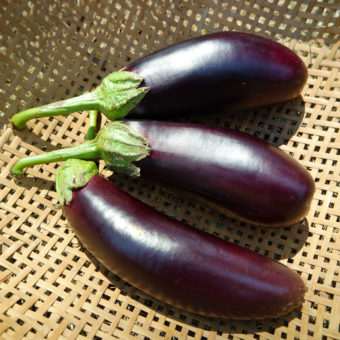
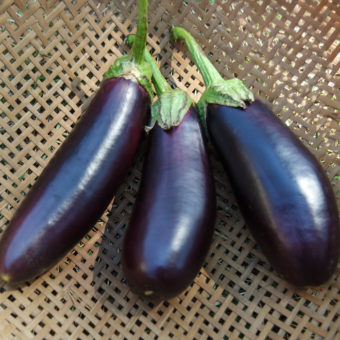
Solanum melongena. Purple. 60 days. Astrakom is possibly the best eggplant for short season climates or for those who struggle to get the larger fruited types to produce well. Deep purple, elongated teardrop-shaped fruit are smaller and a bit earlier than Diamond. Compact plants produce lots of medium-small (about 4” long) fruit, perfect for folks who…
Select options
This product has multiple variants. The options may be chosen on the product page
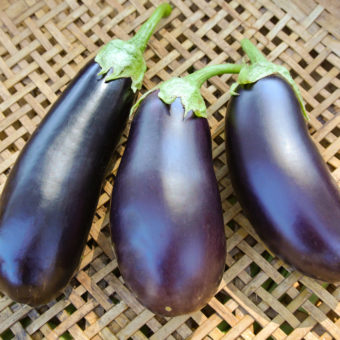
Solanum melongena. Black. 65-70 days. Excellent standard eggplant for high yield and quality in organic growing conditions. Nice, elongated black globes are a little smaller than the hybrids but better suited for northern climates. Fairly short plants set fruit in clusters and produce well in less than optimal conditions. Diamond was our farm’s preferred variety…
Select options
This product has multiple variants. The options may be chosen on the product page
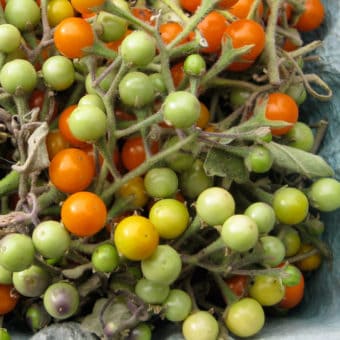
Solanum torvum. Green. 90 days. We found this variety in February 2009 growing semi-wild in a village garden in Noong Ta Klong, Thailand. Used under-ripe, it is a crucial ingredient in Thai dishes including green curry and some types of chile sauces. One might consider it a spice, rather than a vegetable. Bitter and seedy, these…
Select options
This product has multiple variants. The options may be chosen on the product page
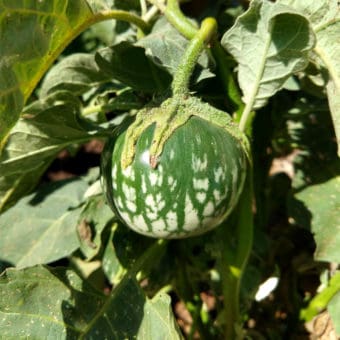
Solanum melongena. Green Striped. 70 days. Small, round, green striped eggplants are the type most commonly used in Thai cuisine. In fact, Petch Siam translates to ‘Diamond of Thailand.’ Fruit grow to 2.5 – 3″, the approximate size of a tennis ball, but are best harvested at 1.5-2″, closer to the size of a ping…
Select options
This product has multiple variants. The options may be chosen on the product page
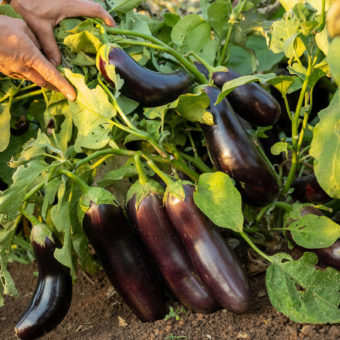
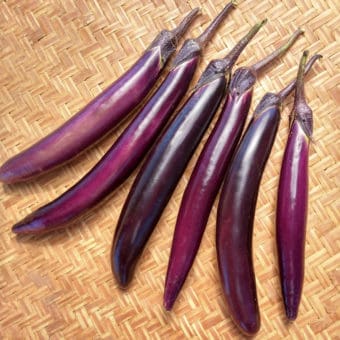
Solanum melongena. Purple. 70 days. Long, slender Japanese style eggplant bred in Hawai’i for Bacterial Wilt resistance. Despite its tropical origins, Poamoho Dark Long Eggplant has been very productive in our outdoor Pacific Northwest growing conditions. Relatively tall plants produce the longest-fruited eggplants that we grow. Many of the beautiful, shiny dark-purple fruits grow to…
Select options
This product has multiple variants. The options may be chosen on the product page
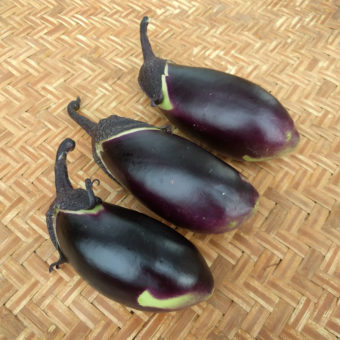
Solanum melongena. Purple. 70 days. Small, oblong, brilliant dark purple eggplant form on compact bushes. The 4-6″ long fruit are best harvested small and have a nice white edging around purple stems for an attractive appearance. Skin is thinner than other eggplant varieties. This, along with a mild sweet flavor and dense flesh, make Shimoda suitable…
Select options
This product has multiple variants. The options may be chosen on the product page
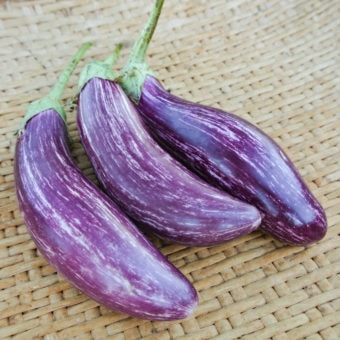
Solanum melongena. Purple and White Striped. 75 days. Purple with white streaks, this oblong eggplant is shaped somewhere between Italian and Japanese types. Tsakoniki is a Greek eggplant variety from the town of Leonidio where they have an annual festival celebrating this amazing vegetable, which is renowned for its delicate, sweet flavor and tender skin. In…
Select options
This product has multiple variants. The options may be chosen on the product page
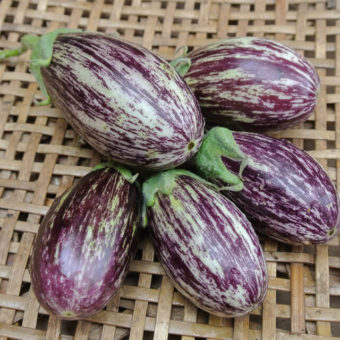
Solanum melongena. Purple and White Striped. 70 days. This South Asian variety is early and tender. 3-4″ long goose-egg shaped fruit are strikingly beautiful purple with white stripes. Best picked on the small side. The skin can get thick on larger fruit but the flavor is still rich and wonderful. Unique delicious flavor when used…
Select options
This product has multiple variants. The options may be chosen on the product page
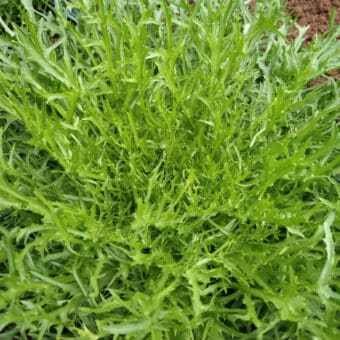
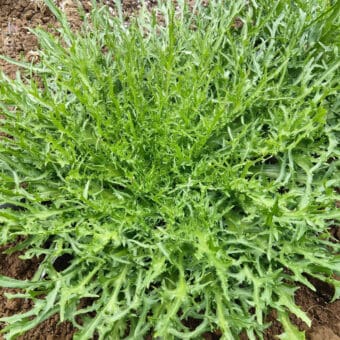
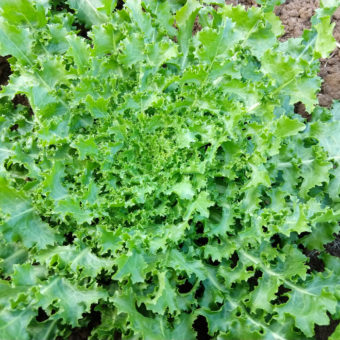
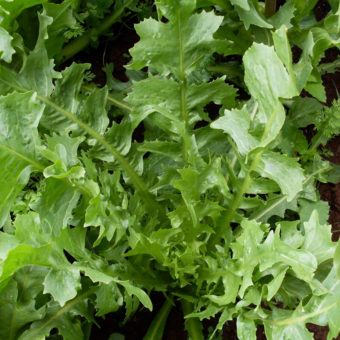
Cichorium endivia. 55-65 days. The unique, fine, pointy leaves of Capellina set it apart from other frisée endives. Large mounds of frilly pointy craziness. Much hardier than other frisée types. Good flavor raw for salad mixes. Best as a spring, fall or winter harvest as it may get tip burn in the summer heat. All…
Select options
This product has multiple variants. The options may be chosen on the product page
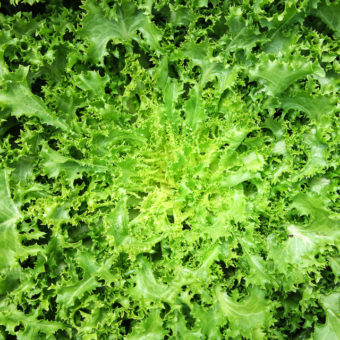
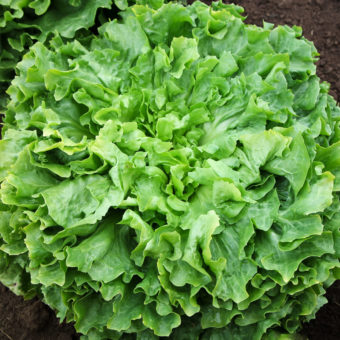
Cichorium endivia. 60-70 days. Large-headed, triple cut frisée. While endive is sweetest in winter, this is the best frisée we offer for summer production making Frisée de Meaux good for harvest summer through winter. Big, self-blanching hearts are delicious in salad and much more frost tolerant than lettuce. It is always nice to add a…
Select options
This product has multiple variants. The options may be chosen on the product page
Cichorium endivia. 60-70 days. A vigorous Italian endive with large heads. The leaves are long with frilly edges and great flavor. Thick, crunchy, and juicy leaf stem and midribs is what Pancalieri a Costa Bianca is about. We find it performs great in the summer heat but it’s not nearly as sweet. Cold hardy heads…
Select options
This product has multiple variants. The options may be chosen on the product page
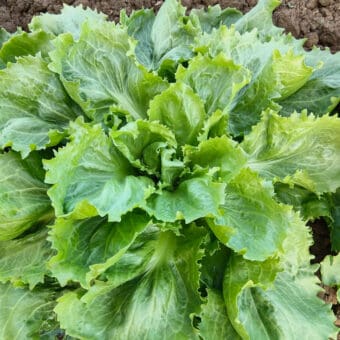
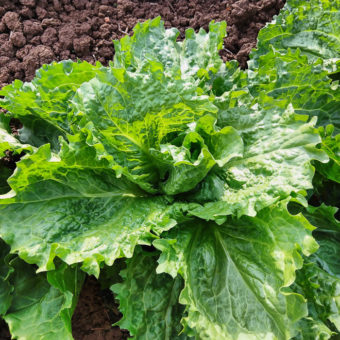
Cichorium endivia. 60-70 days. Super hardy Italian escarole for winter and spring production. Ascolana produces beautiful dark-green heads with curly edged leaves that are perfect for salad mix. Similar leaf shape to Schiana but not as wide and wavy as Diva escarole. Ascolana has the ability to obtain a very large size and keeps very…
Select options
This product has multiple variants. The options may be chosen on the product page
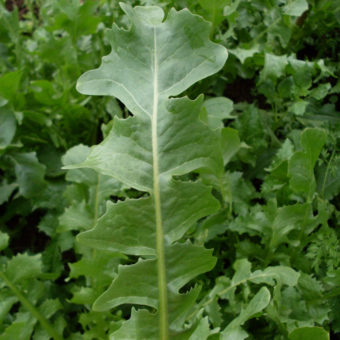
Cichorium endivia. 55-65 days. Sweet dandelion greens! Cardoncella Barese is a variety distinct from other escaroles, as leaves are long and serrated like a giant dandelion green. Tall leaves can reach 18″ long. When we were market farmers, we offered them by the bunch as ‘sweet dandelion greens’ with rave reviews from our CSA members….
Select options
This product has multiple variants. The options may be chosen on the product page
Cichorium endivia. 70 days. Impressive, vigorous, and uniform, this escarole is great in spring and autumn. Firm, crunchy, juicy and sweet with a light nutty bitterness unique to escarole. Cornet type escaroles truly shine in late fall through early winter. When sown in late summer, Cornet de la Loire will head up and make a…
Select options
This product has multiple variants. The options may be chosen on the product page
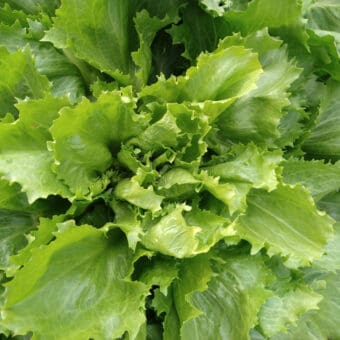
Cichorium endivia. 70 days. Broad-leafed Batavian type endive. Large, loose, green heads are a delicious addition to salad and also good braised or sautéed. Mild even in summer heat, its flavor develops to perfection in the late summer or autumn once nighttime temperatures cool. Diva’s broad leaves are sugary sweet with a tiny hint of…
Select options
This product has multiple variants. The options may be chosen on the product page
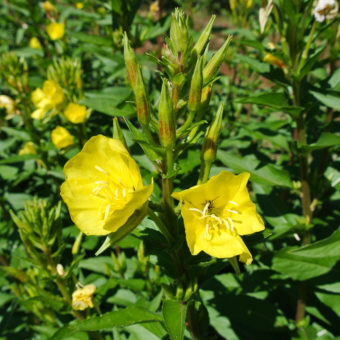
Oenothera biennis. Biennial. Produces 2″ yellow, sweetly fragrant flowers on 3-5′ tall central stalks from June to September in second year. Leaves and roots are edible, with a peppery taste. Flowers are edible and sweet, may be added to salads or used as a garnish, and are attractive to pollinators. Roots, bark, and seedpods are…
Select options
This product has multiple variants. The options may be chosen on the product page
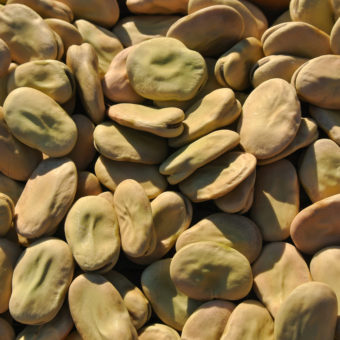
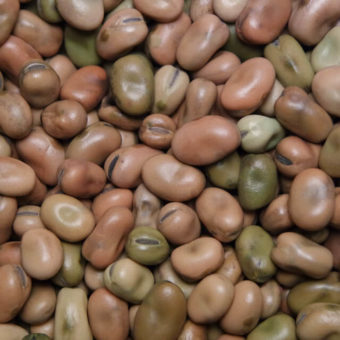
Vicia faba. The legendary fava! The biggest fava bean seed we have ever seen and the taste is delicious. The giant plants yield heavily with pods containing four big green seeds each. The young leaves and shoots also make a delicious salad green. Nearly lost forever, or at least from commerce, this fava bean is…
Select options
This product has multiple variants. The options may be chosen on the product page
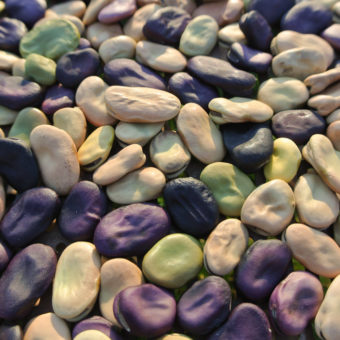
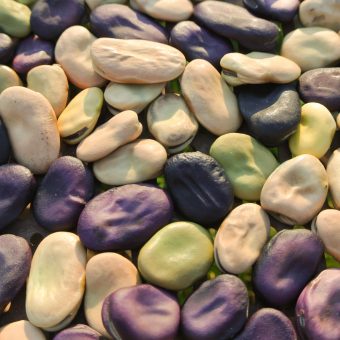
Vicia faba. Mostly large seeds of many colors ranging from tan, yellow, purple, lavender-tan to almost black. High culinary value and adaptive resilience — hangs tough in our winters when other fava varieties wither in the cold. Big plants form many tillers. Young leaves and shoots also make a tasty salad green. Beans can be…
Select options
This product has multiple variants. The options may be chosen on the product page
Vicia faba. Small seeded favas are usually relegated to cover crop status, but Sweet Lorane was selected to have good, sweet flavor, so it’s an excellent choice for a dual-purpose crop to feed both the soil and the gardener. The flavor is excellent and is especially delicious in fava hummus. Usually sown in autumn for…
Select options
This product has multiple variants. The options may be chosen on the product page