Varieties bearing the Winter Garden tag have successfully overwintered in at our location near Sweet Home, Oregon – USDA Zone 8b, with average winter lows between 15-20˚F. We often use row cover for protection when temperatures are forecast to be below 25˚F, but have found many varieties are hardy down to at least 20˚F with no protection.
Please note that inclusion here is not a guarantee of success with overwintering! Many factors, including plant size, the presence of snow or other insulation, and gradually decreasing temps vs. an abrupt cold snap, to name a few, contribute to a plant’s winter hardiness. Varieties that do well some years may not survive others.
Most varieties listed here are planted and grown to maturity (or near maturity) during the main garden season and harvested during the winter months.
For more information about winter gardening, check out The Big Willamette Winter Gardening Chart. This is a compilation of notes on fall, mid-winter and overwintering crops made in collaboration with our good friend Nick Routledge. It includes lists of crop types, sow dates, hardiness, approximate harvest times, and notes on varieties gathered through years of experience. Even if you don’t live in the Willamette Valley, this info is sure to help any winter gardener where lows are above 10-15˚F.
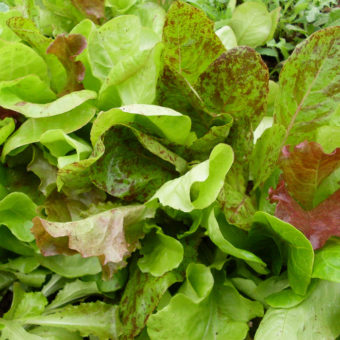
Lactuca sativa. 28 days. Seasonal lettuce mixes are a great way to achieve culinary and growing success. This mix is best sown in spring (March-April) and autumn (September-October), and includes varieties that have shown excellence in our spring and fall lettuce trials. All varieties will germinate in diverse soil conditions and are cool weather tolerant….
Select options
This product has multiple variants. The options may be chosen on the product page
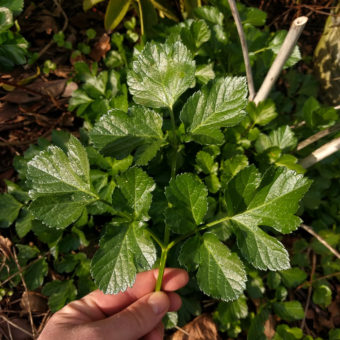
Smyrnium olusatrum. Biennial. This plant goes by many names and has a long history, possibly going back to Alexander the Great. Ancient Romans ate the leaves, stems, roots, and flower buds as vegetables. Leaves are comparable to a mild-flavored parsley, and are tasty in salad or used as an herb. Large umbels of yellow-flowered blossoms are…
Select options
This product has multiple variants. The options may be chosen on the product page
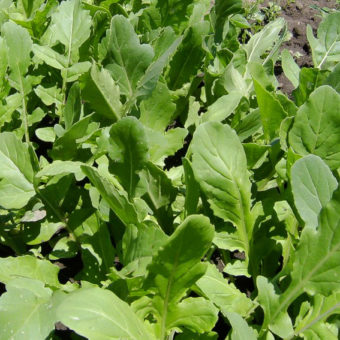
Eruca sativa. 24 days baby, 40 days full. Big thick leaves with excellent flavor and very cold hardy. For those who like their arugula to have a little kick, Tuscan has a spicier flavor than common varieties such as Astro. Some plants have strap-like leaves, others are lobed. Seed Ambassador Kayla Preece collected this variety…
Select options
This product has multiple variants. The options may be chosen on the product page
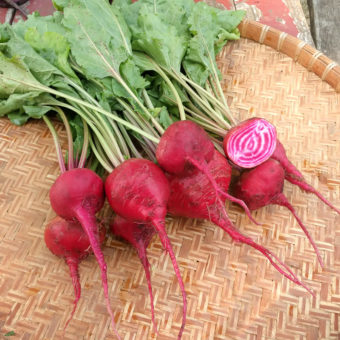
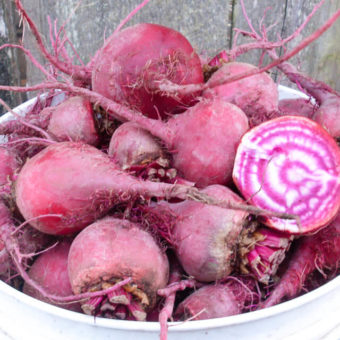
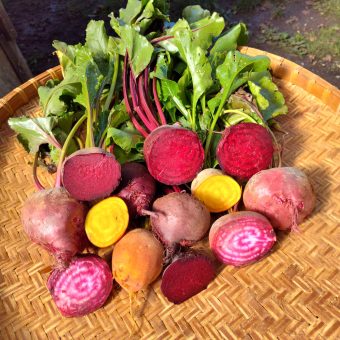
Beta vulgaris. Round Pink/White Rings. 65 days. In our days as market growers, Chioggia beets were by far our customers’ favorite, and we loved them too. Dark pink on the outside, the inside features concentric rings of pink and white. The candy cane like appearance is as pretty as it is fun. But Chioggia charms…
Select options
This product has multiple variants. The options may be chosen on the product page
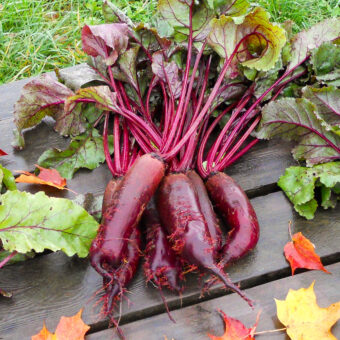
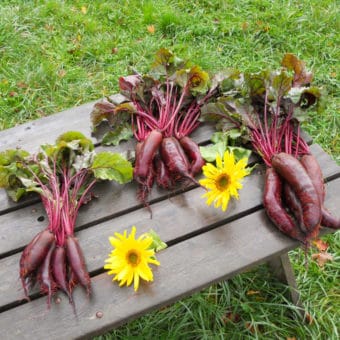
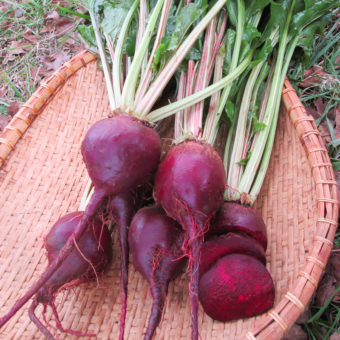
Beta vulgaris. Cylindrical Red. 60 days. A favorite beet variety of Elanor O’Brien of Persephone Farm in Lebanon, Oregon, one of the first certified organic farms in the state (since 1985!). We delight in recommendations from farmer seed stewards, especially for excellent varieties that have become hard to find, so when Elanor offered to grow…
Select options
This product has multiple variants. The options may be chosen on the product page
Beta vulgaris. Round Red. 70-90 days. An old standby winter storage beet with vibrant red roots and pale green leaves. Some Lutz strains commonly available have red leaves and stems – we are offering the original green-stemmed variety whose leaves have much better flavor. Our friend Avram Drucker of Garlicana, who stewarded this variety for…
Select options
This product has multiple variants. The options may be chosen on the product page
Beta vulgaris. 55-90 days. Grow a diverse rainbow of beets in your garden with our Radicle Rainbow Beet Blend! This radicle (and radical!) mix includes everything a person could want in beets – they’re beautiful, delicious, and nutritious! It’s a great way to sample many varieties to find your favorite, or stick with the mix…
Select options
This product has multiple variants. The options may be chosen on the product page
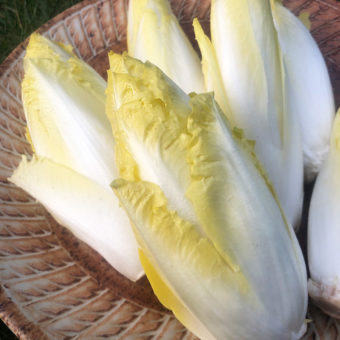
Cichorium intybus. Belgian / forcing type. 90 days for root; up to 260 days for forcing. Delicious Belgian / Witloof type endive, that can easily be forced in simple production conditions. Belgian endives are grown during the main season (direct sown in June). Roots are then dug in early fall and forced in darkness (either…
Select options
This product has multiple variants. The options may be chosen on the product page
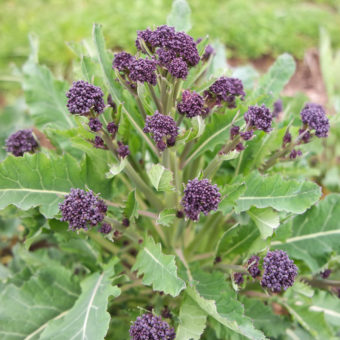
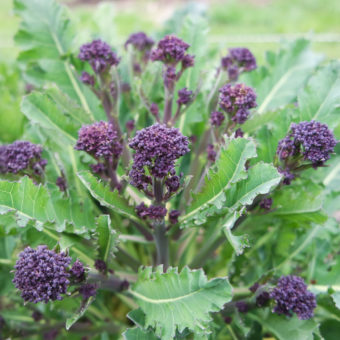
Brassica oleracea. 210-240 days. Overwintering purple sprouting broccoli (PSB) is a very special treat for mild winter climate zones. Along with overwintering cauliflower, PSB is a superb food source during the hunger gap of March – April (at least for those of us whose winters do not usually drop below 15°F). With clusters of vibrant…
Select options
This product has multiple variants. The options may be chosen on the product page
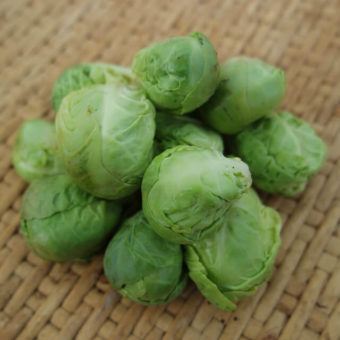
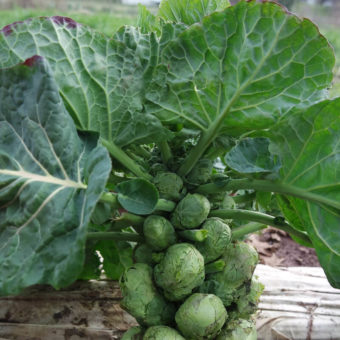
Brassica oleracea. Green. 180-260 days. One of the most reliable, easy-to-grow open pollinated Brussels sprout varieties out there. Firm, sweet, dark green sprouts form on plants that grow to 3½’. We trialed every open pollinated Brussels sprout we could find; Darkmar 21 was the obvious mid-season choice because of its consistent large sprout production and…
Select options
This product has multiple variants. The options may be chosen on the product page
Brassica oleracea. Green. 100-200 days. Forgot to sow your Brussels sprouts in spring? All is not lost! With Early Half Tall, you can sow in June and still get a crop of sprouts by autumn. For a good early rotation of this winter garden delight, sow in March or April – sprouts are harvestable as…
Select options
This product has multiple variants. The options may be chosen on the product page
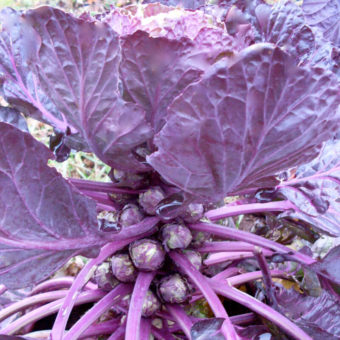
Brassica oleracea. Red. 210-260 days. Vigorous 3’ plants form 1-2” sprouts in fall and winter when transplanted into the field May to early July. Sweet, nutty flavor especially after frost when the plants turn a deeper red/purple. Sprouts stay purple when cooked. In our opinion, one of the few good open pollinated red Brussels sprouts….
Select options
This product has multiple variants. The options may be chosen on the product page
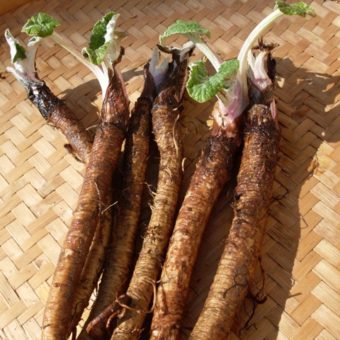
Arctium lappa. A variety originating in Okinawa, an island of southern Japan. The people of Okinawa are known for their long lives and health, which burdock is believed to play a part. Often cooked in soups or pickled, it is known for its healing properties and high vitamin content. The burdock root’s ability to penetrate…
Select options
This product has multiple variants. The options may be chosen on the product page
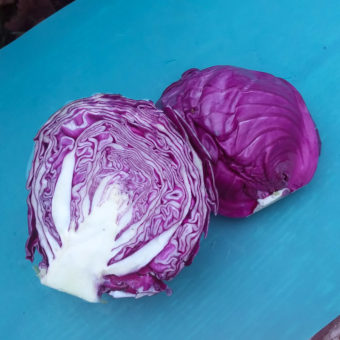
Brassica oleracea. 75-90 days. Gorgeous, early, dark red cabbage with dense, compact heads. Good crunchy and juicy texture. Outer leaves have a lovely silver shimmer that seems to deter aphids, helping this variety to perform well even under high summer temperatures that typically stress out other Brassicas. A good selection for early and main season…
Select options
This product has multiple variants. The options may be chosen on the product page
Brassica oleracea. Green storage. 100 days. A late season green storage cabbage well-suited for fall production. Tender and sweet, great in fresh eating applications like coleslaw; also makes exceptional sauerkraut. Impressive lack of farty-smell when cooked! Heads are slightly oblong in shape. Dowinda Cabbage is best planted out in mid-July for harvest in November, when…
Select options
This product has multiple variants. The options may be chosen on the product page
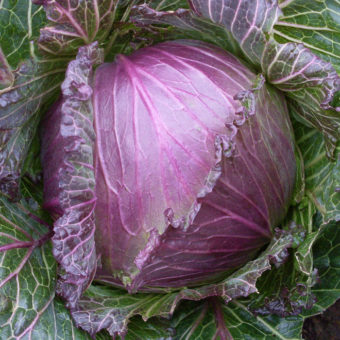
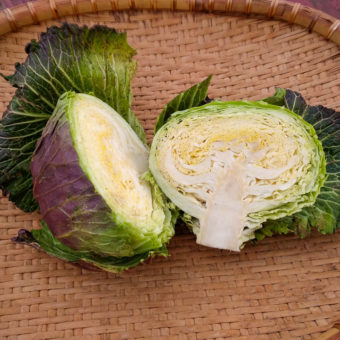
Brassica oleracea. 160-210 days. January King certainly reigns supreme amongst winter cabbages. Beautiful purplish plants form light green winter savoy type heads with purple outer leaves. When growing for our winter CSA, we relied on this variety for its firm, semi-flat, well-filled, 3-5 lb heads from January into March. We sourced several strains with a…
Select options
This product has multiple variants. The options may be chosen on the product page
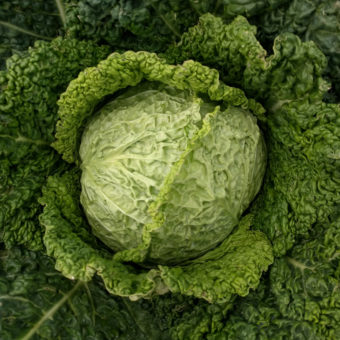
Brassica oleracea. 120-180 days. Large, dark green heads have that classic savoy crinkled texture and sweeten up nicely after frost. We like to eat savoy cabbage stir-fried or simply braised in butter. The thicker outer leaves make great cabbage rolls. During our winter CSA days we became obsessed with cold hardy cabbage. After trialing dozens…
Select options
This product has multiple variants. The options may be chosen on the product page
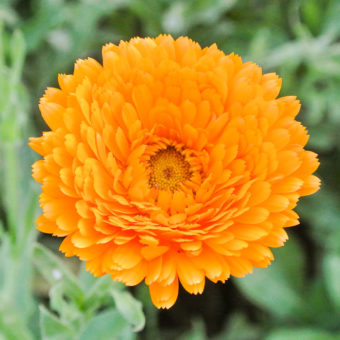
Calendula officinalis. 65-70 days. Perennial in zones 8-10. Fully double, bright orange flowers on 18-24” plants. Erfurter is a preferred variety for commercial production in the US, with larger flowers and a somewhat higher resin content than Resina. Also blooms profusely, but not as prolifically as Resina. Petals can be used to make a natural…
Select options
This product has multiple variants. The options may be chosen on the product page
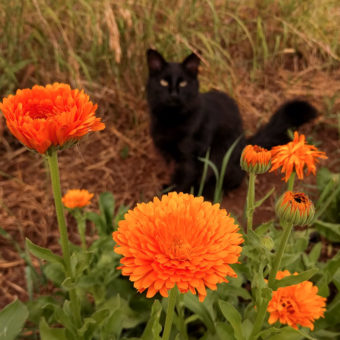
Calendula officinalis. 60-65 days. Perennial in zones 8-10. A very fine strain of calendula for medicinal use, and as a self-sowing, short-lived perennial flower. Highly productive plants produce medium-sized flowers with two rows of resin-rich petals. Plants have either soft orange or bright yellow flowers with small centers. Fairly hardy in our climate, Resina often…
Select options
This product has multiple variants. The options may be chosen on the product page
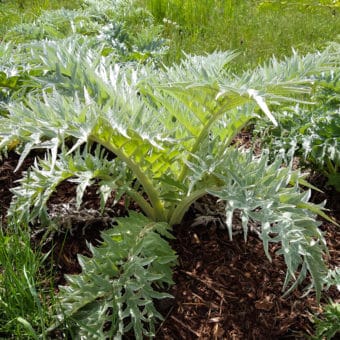
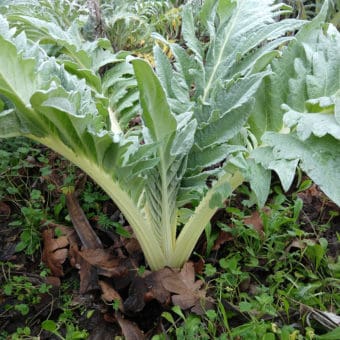
Cynara cardunculus. Perennial in zones 7-10. Related to the artichoke but grown instead for the leaf midribs (technically petioles) that are eaten after blanching. White, thornless leaf midribs grow tall and are extra thick. Vigorous upright growth results in partial self-blanching, giving Plein Blanc Inerme Blanco Cardoon a higher culinary value than more traditional varieties….
Select options
This product has multiple variants. The options may be chosen on the product page
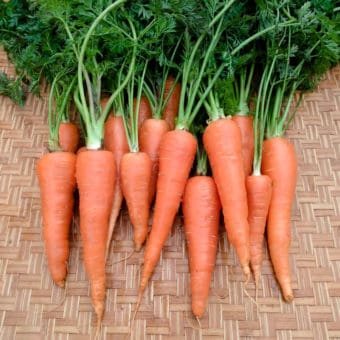
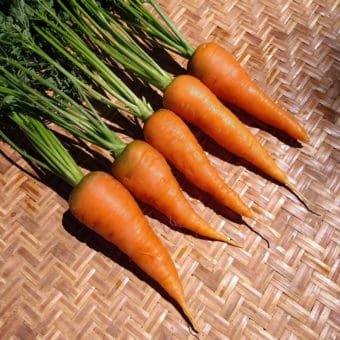
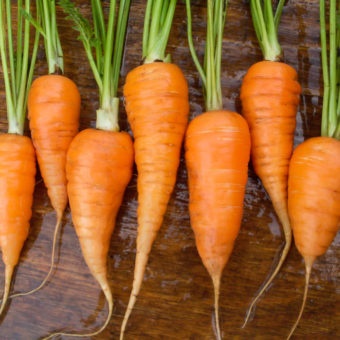
Daucus carota. 70-75 days. With its broad-shouldered, conical, orange roots, Danvers 126 carrot is a garden standby that has been around since 1886. Similar to Red Core Chantenay but less blocky and a little more tender, however not as tender as Nantes types. Good for year round carrot production. Split resistant roots grow to about…
Select options
This product has multiple variants. The options may be chosen on the product page
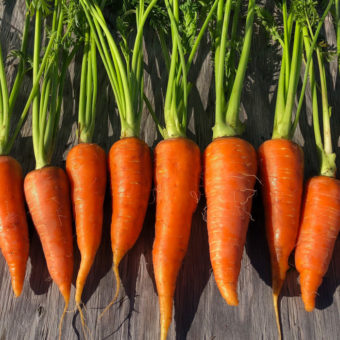
Daucus carota. 70 days. The ultimate carrot for winter cultivation and storage. Wide shoulders, dense flesh, and solid carrot flavor make it a preferred variety for processing and great for bulk and/or wholesale as the poundage adds up quickly. Grows well in heavy soil, strong tops and wedge shape make for easy harvest. This variety…
Select options
This product has multiple variants. The options may be chosen on the product page
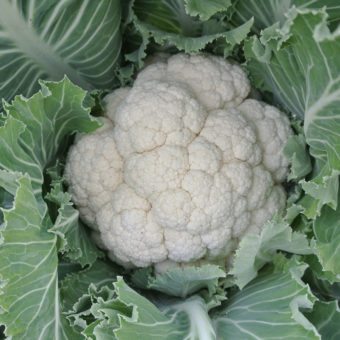
Brassica oleracea. 200+ days. Overwintering cauliflower is one of the best kept secrets of the vegetable world. So tasty and so productive, it comes on right when it is needed during the spring hunger gap. Living in the Pacific Northwest, which is one of the few places on the planet where it can be easily…
Select options
This product has multiple variants. The options may be chosen on the product page
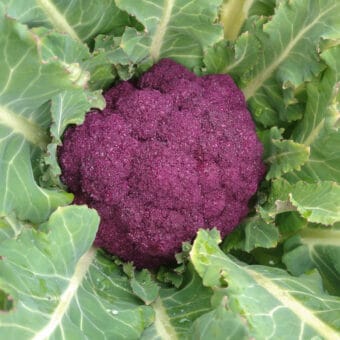
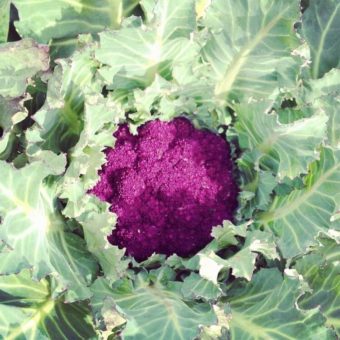
Brassica oleracea. 200+ days. This overwintering purple cauliflower is another great crop for the hunger gap of late spring. Purple Cape, when sown in June or July, produces deep purple heads the following February through March. Produces much larger heads and more food than overwintering purple sprouting broccoli, and we are so happy to be…
Select options
This product has multiple variants. The options may be chosen on the product page
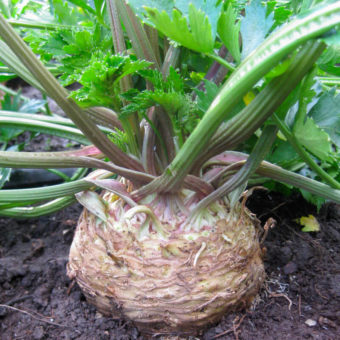
Apium graveolens. 110 days. A great old-fashioned celeriac from England. These big, vigorous roots are a little darker than modern varieties both inside and out, and the leaf stalks have a reddish color. Most modern celeriac has been bred to have a bright white interior, which is better for looks. Unfortunately, the volatile compounds that…
Select options
This product has multiple variants. The options may be chosen on the product page
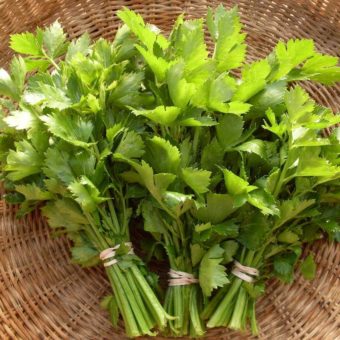
Apium graveolens. 70 days. Light-green leaf cutting celery. Grows to 18” and is great in mirepoix and soups. Stems are also usable, but much smaller than those of stalk celery. The flavor packs a punch that is most suitable for cooking; a little goes a long way. This vigorous biennial leaf makes a great addition…
Select options
This product has multiple variants. The options may be chosen on the product page
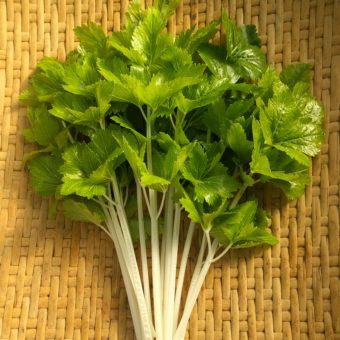
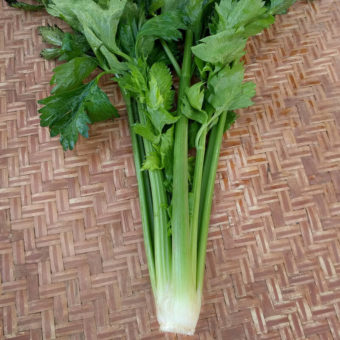
Apium graveolens. 70 days. Bright-green, aromatic leaves atop long, skinny, white stems give White Queen a stark visual contrast from the classic western stem celery. Thrives in cool fall weather, overwinters easily, and sometimes grows back vigorously as a second and third year perennial. This leaf celery is a Chinese variety with a strong flavor…
Select options
This product has multiple variants. The options may be chosen on the product page
Apium graveolens. 80-100 days. The classic American celery! An improved Tall Utah type, Ventura celery is named after the town Andrew grew up in. When he was a kid riding his bike around Ventura, California, he saw many fields of celery growing interspersed with strawberry fields and lemon orchards. Once one of the most common…
Select options
This product has multiple variants. The options may be chosen on the product page
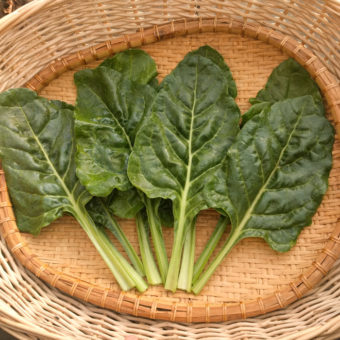
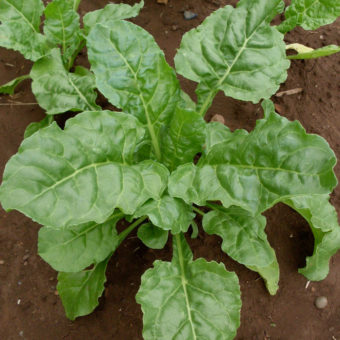
Beta vulgaris. 30 days baby, 50 full. Traditional Tuscan-type, green leaf chard often simply called Bietola. The sweetest chard we have ever tried. Young leaves have little to no oxalic acid flavor at all. Older leaves have more standard chard flavor, yet are still uniquely mild and tasty. Leaves tend to be smaller with thinner…
Select options
This product has multiple variants. The options may be chosen on the product page
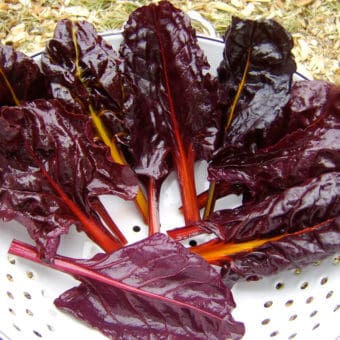
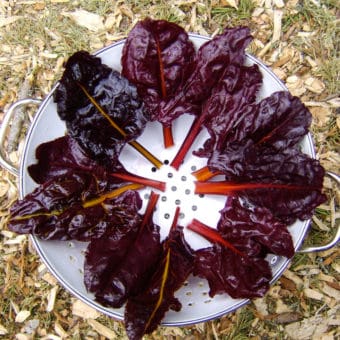
Beta vulgaris. 30 days baby, 60 full. A uniquely dark-leaved chard. Most plants have leaves that are incredibly deep dark burgundy; we have been selecting for dark leaves with almost luminescent yellow-orange midribs. Classic chard flavor, good tolerance to cold and wet conditions. Both color and flavor intensify as plants mature; baby leaves are milder…
Select options
This product has multiple variants. The options may be chosen on the product page
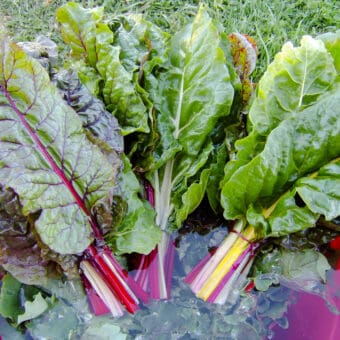
Beta vulgaris. 30 days baby, 60 full. This selection of Rainbow chard is a show stopper in the garden, at farmer’s market, and on the table. Vibrant colors range from dark red, through the spectrum to hot pink, orange, yellow, and white. Leaves can be incorporated raw into salads when young or cooked when older….
Select options
This product has multiple variants. The options may be chosen on the product page
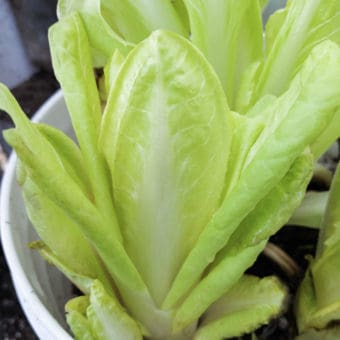
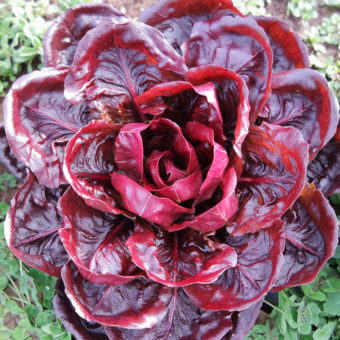
Cichorium intybus. Rosette type. 60 days. Red Grumolo type chicory, cold hardy and beautiful. Forms a beautiful rosette in winter through spring that is so pretty it could be used as a boutonniere. Also great harvested young for salad mix and as cut-and-come-again loose leaves. Shari Sirkin of Dancing Roots Farm in Troutdale, Oregon, tells…
Select options
This product has multiple variants. The options may be chosen on the product page