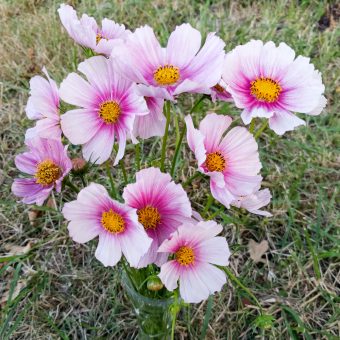
Cosmos bipinnatus. A tall, productive, and attractive cosmos covered with unique blooms. Plants grow 5-6′ tall. Daydream cosmos flowers have a nice rosy center surrounded by pale pink. The bulls-eye pattern must make nice targets for insects with infrared vision because they are very attractive to pollinators. Stealing a few from the bees is worthwhile…
Select options
This product has multiple variants. The options may be chosen on the product page
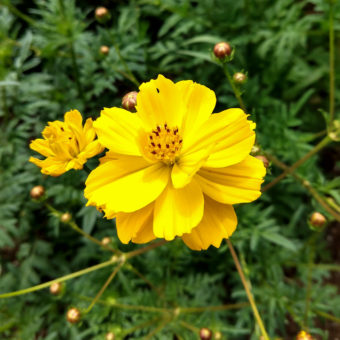
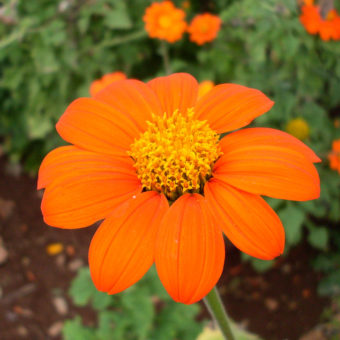
Cosmos sulphureus. Bright yellow, 2-3″ wide flowers are like little stars in the garden. Can quickly grow into a hedge covered in yellow blooms, which the bees love. Bushy plants grow to 4’ wide and tall, and bloom all season long in the Pacific Northwest. In other latitudes, or when planted mid summer, Kenikir cosmos…
Select options
This product has multiple variants. The options may be chosen on the product page
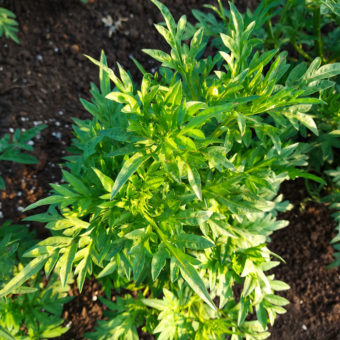
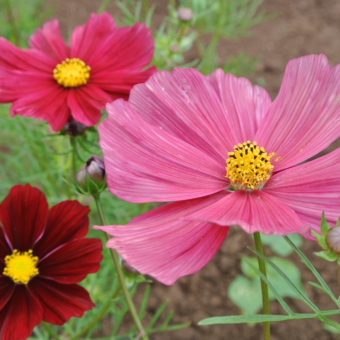
Cosmos bipinnatus. A dynamic flower that changes color as it matures, from a deep wine maroon to a muted rose, with many shades in between. Single flowers with yellow centers appear atop ferny foliage. Upright plants grow to about 3 ½’, making Rubenza shorter than most cosmos so they do not need staking. Begins flowering…
Select options
This product has multiple variants. The options may be chosen on the product page
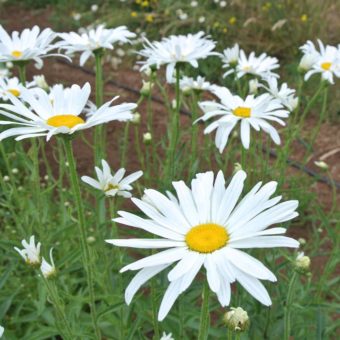
Leucanthemum x superbum. Perennial in zones 5-9. Classic, 3-4” white petaled flowers atop tall plants. Blooms throughout the summer if deadheaded regularly. Long stems on 3′ plants make Giant Shasta Daisy a great cut flower. If sown early in spring, this perennial will bloom in its first year. This variety was bred by plant genius…
Select options
This product has multiple variants. The options may be chosen on the product page
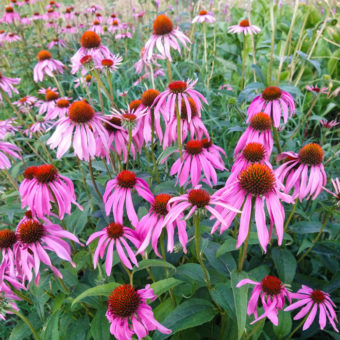
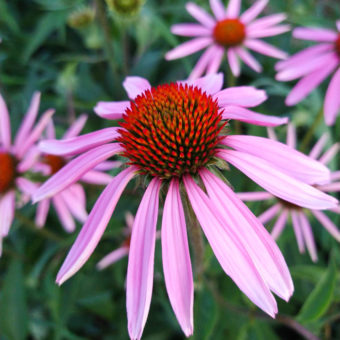
Echinacea purpurea. Perennial in zones 3-10. North American native prairie wildflower with pretty purple daisy-like flowers that reach 3” across. Begins blooming in second year. Once common in the wild, but now mainly grown under cultivation with many varieties developed for ornamental purposes. This strain was sourced from a wild population and has been stewarded…
Select options
This product has multiple variants. The options may be chosen on the product page
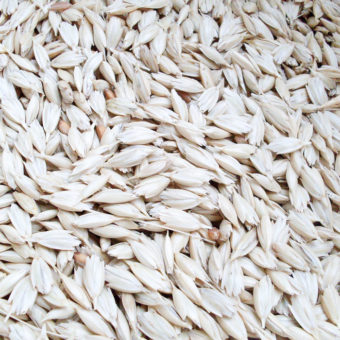
Triticum dicoccum. A delicious and nutritious grain, this awned wheat relative has a tightly wrapped hull that is difficult to remove, needing specialized equipment (or maybe just a blender). The hulls make it especially good for brewing beer, and it is also great animal feed. For some techniques on dehulling emmer and other ancient grains,…
Select options
This product has multiple variants. The options may be chosen on the product page
Tanacetum parthenium. 60-70 days. Perennial in zones 5-10. This short lived perennial medicinal herb produces shrubby plants that grow to 3’ with small, non-double white flowers with a yellow center. Plants are highly fragrant with bitter aromatics that are not universally appreciated and in fact repel some insects. For this reason, it is sometimes planted…
Select options
This product has multiple variants. The options may be chosen on the product page
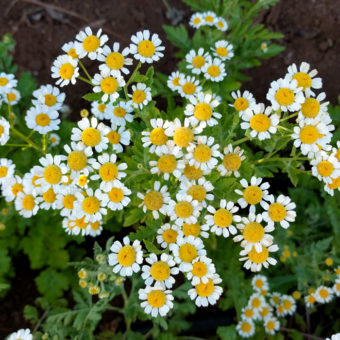
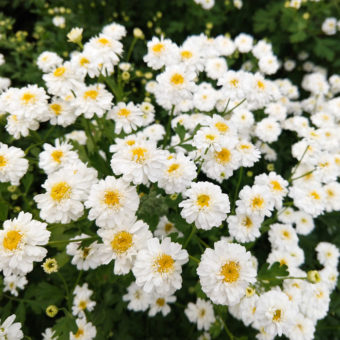
Tanacetum parthenium. 60 days. Perennial in zones 5-10. Clusters of double, ½” daisy-like flowers with yellow centers form on each stem and make an excellent filler for arrangements or a nice bouquet all on their own. Plants grow to 2′ high and are very productive. Also dries well for use as an everlasting. Very easy…
Select options
This product has multiple variants. The options may be chosen on the product page
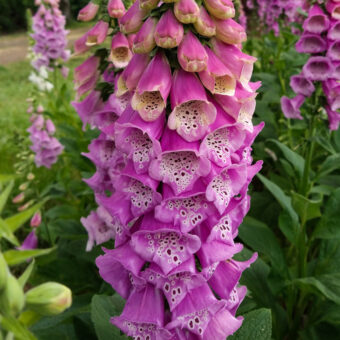
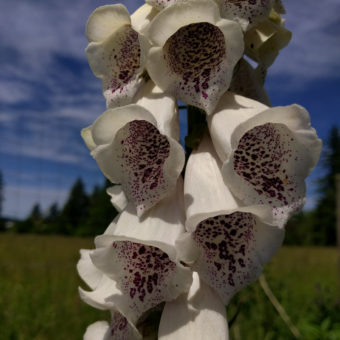
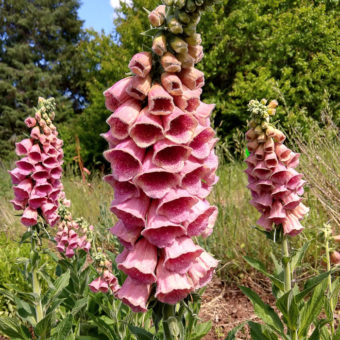
Digitalis purpurea. Biennial / Perennial in zones 4-9. Beautiful spires of bell-shaped flowers that range in color from white to pink and bloom in their second year. Bigger flowers with more bold colors than the wild foxglove that is established throughout the Pacific Northwest. Blooms in early June for us. Flower spires grow to 6′…
Select options
This product has multiple variants. The options may be chosen on the product page
Digitalis x fulva. Perennial to zone 4. Stunning pink-peach bell shaped blossoms form on 2-4′ tall spikes that bloom for weeks and make a great cut flower. Hummingbirds and pollinators love the flowers. Strawberry foxglove is the result of an interspecific cross made almost 200 years ago and is not invasive like the wild types…
Select options
This product has multiple variants. The options may be chosen on the product page
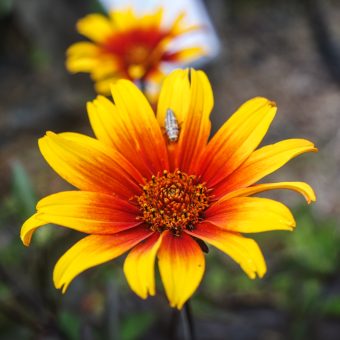
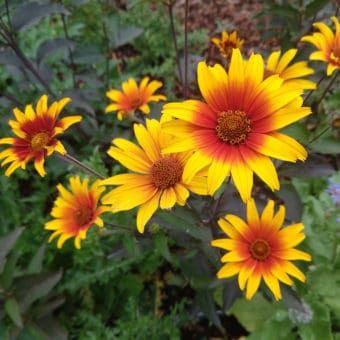
Heliopsis helianthoides var. scabra. Perennial in zones 3-9. Fiery yellow 2-3″ daisy-like flowers with red centers sit atop dark purple foliage. When planted in blocks, Burning Hearts creates a sizable and beautiful seasonal hedge that dies back in the winter. A reliable perennial that grows to 4.5′ tall and 18″ wide. Pollinators, butterflies, and other…
Select options
This product has multiple variants. The options may be chosen on the product page
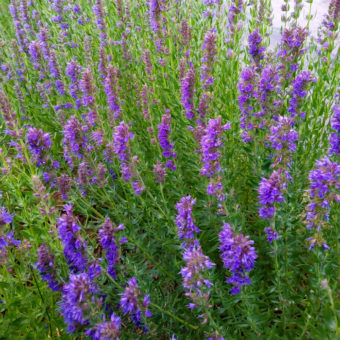
Hyssopus officinalis. Perennial in zones 4-10. Easy to grow, True Hyssop is a useful ornamental herb that easily fits in a perennial or medicinal herb garden. Small (12-18”), evergreen, drought resistant plants would make a good short hedge and do well in containers. Plants will flower in the first year and in subsequent seasons, will…
Select options
This product has multiple variants. The options may be chosen on the product page
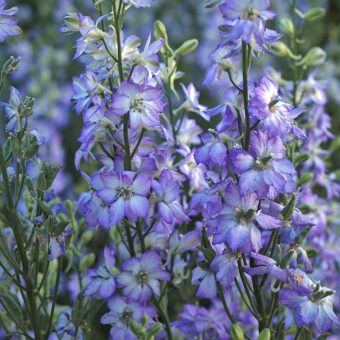
Consolida ajacis. 65 days. Towering spires hold dozens of 1.5” flowers that bloom continuously up stems reaching to 5’ tall. Sydney Blue Picotee’s petals are white in the center and gradually transition to dark lavender at the edges for a romantic cottage garden feel. Larkspurs are a bit difficult to germinate and notoriously finicky about…
Select options
This product has multiple variants. The options may be chosen on the product page
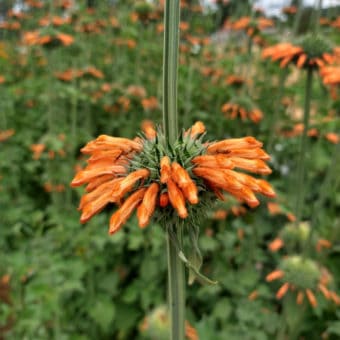
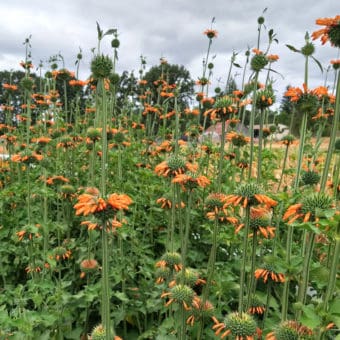
Leonotis nepetaefolia. 60 days. Delightfully unique tubular orange flowers appear on spiky pincushion-like spheres that form at intervals up stems. Klip Dagga is very easy to grow and absolutely stunning in late summer waving in the breeze. Plants grow 8-12′ tall and may require staking late in the season and in high wind areas. All…
Select options
This product has multiple variants. The options may be chosen on the product page
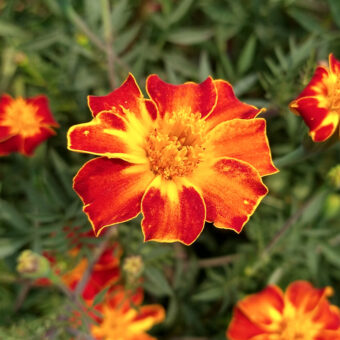
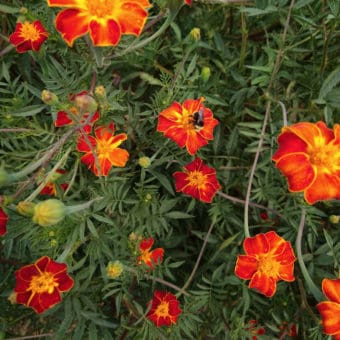
Tagetes patula. 65 days. We have been growing this stunning heritage marigold since 2007 and are excited to have enough harvested and cleaned to share. Ildkongen is not your average marigold. While other marigolds are short, Ildkongen forms tall bushy plants that grow to 4′ and produce lots of flowers right up until frost. Bloom…
Select options
This product has multiple variants. The options may be chosen on the product page
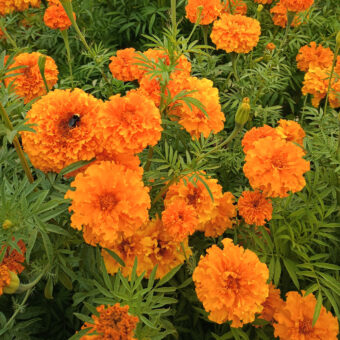
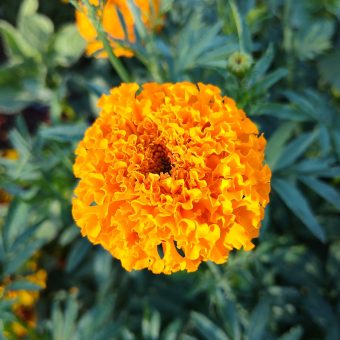
Tagetes erecta. 60-70 days. Orange flowers have been selected to be the most vibrant, vivid orange color possible. Kees’ Orange marigold is an “African” marigold (aka, Mexican marigold) that is a great choice for cut flower production. Plants grow 3-4′ tall and produce many 3” wide double petaled blooms. Marigold flowers are well known for…
Select options
This product has multiple variants. The options may be chosen on the product page
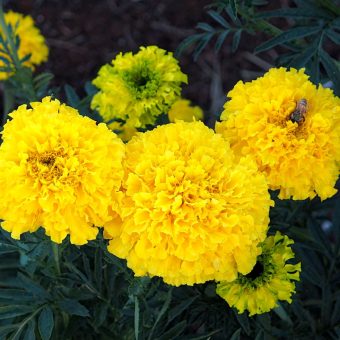
Tagetes erecta. 55 days. With big yellow pom-poms that seem impossibly bright, Yellow Supreme Marigold appears dayglow when the light hits it just right. To borrow from the description for Yellowest Yellow paint by Stuart Semple, “Visible light is powerfully reflected by this high pigment” … flower. Sunglasses are recommended. This ultra-bright flower is available to…
Select options
This product has multiple variants. The options may be chosen on the product page
Tithonia rotundifolia. 75 days. A great summer bloomer with bright orange flowers that attract butterflies. Thrives on neglect, turning into bushy shrubs by the end of summer. This strain lacks the dwarf nature and muted colors of the newer varieties, Torch and Aztec Sun. We prefer this larger Mexican Sunflower as we, and our pollinators,…
Select options
This product has multiple variants. The options may be chosen on the product page
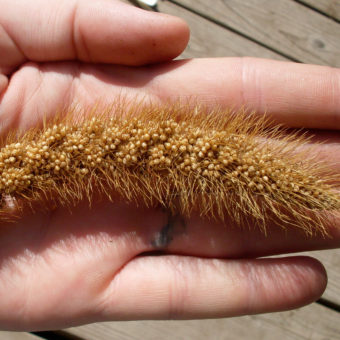
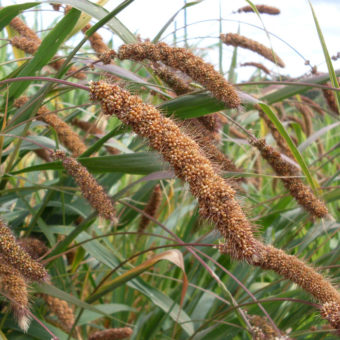
Setaria italica. Foxtail millet. Foxtail millet is the type used for bird food. Small seeds have yellow hulls that must be removed before humans can eat it (not an easy task). Very easy to grow, but difficult to save seed from unless you have zero birds in your garden (but who would want that?!). Try…
Select options
This product has multiple variants. The options may be chosen on the product page
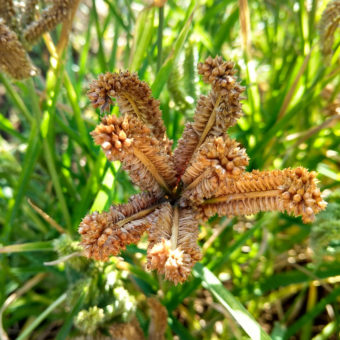
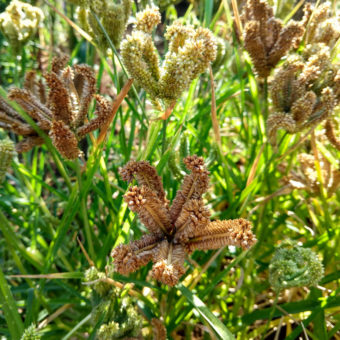
Eleusine coracana. 90 days. Finger millet. Aptly named, Dragon’s Claw is a unique and fun millet with panicles that are shaped like a hand with up to eight fingers pointed up to the sky. Would make a neat addition to autumn bouquets. The birds in our field left this one alone, preferring pretty much every…
Select options
This product has multiple variants. The options may be chosen on the product page
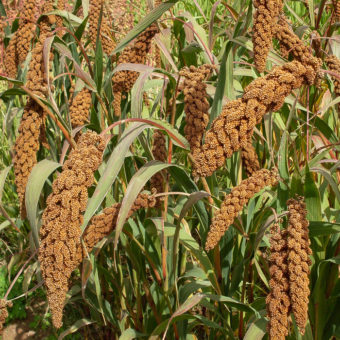
Setaria italica. Foxtail millet. This is an awesome foxtail millet. Beautiful, dense, fingery heads are a reddish brown, leaves and stalks are purplestreaked green. Tolerates cooler summers. Very productive, easy to hand harvest (if you can get to it before the birds) and gorgeous in flower arrangements. Plants grow to 6′ tall. From Don Kluever…
Select options
This product has multiple variants. The options may be chosen on the product page
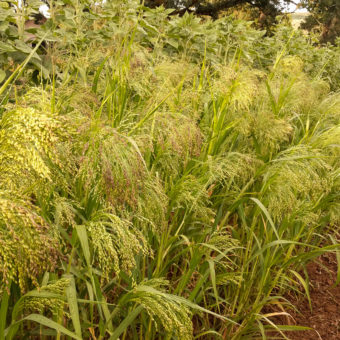
Panicum miliaceum. Proso millet. Proso millet is a good edible grain for those with gluten allergies, if you can manage to hull it. Great as bird seed if you cannot. Large seeds have red-orange hulls. Juosves millet is very drought tolerant and is easy to grow. Sprays make attractive additions to bouquets. Variety given to…
Select options
This product has multiple variants. The options may be chosen on the product page
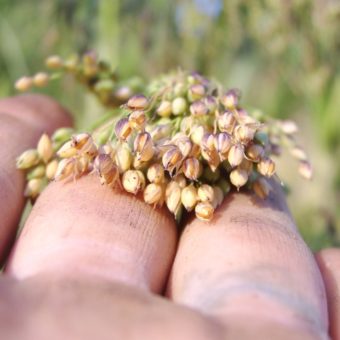
Setaria italica. Foxtail millet. Easy to grow, small seeded variety with red-orange hulls. As with our other millet varieties, it is also great fermenting into beer for personal use or feeding to your chickens and ducks. Remove hull before you eat it. Drought resistant. Rudukes millet was given to us by the Lithuanian Ministry of…
Select options
This product has multiple variants. The options may be chosen on the product page
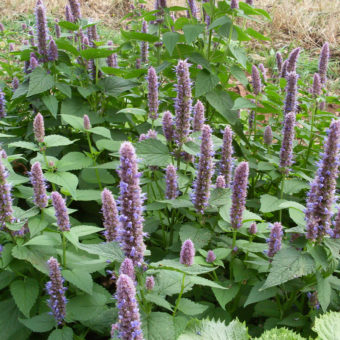
Agastache rugosa. Perennial in zones 5-9. Very delightful, aromatic leaves with a sweet, minty licorice flavor. One of Andrew’s favorite herbs for tea, second only to wild yerba buena. The beautiful blue flower spikes can grow to 8” tall and provide excellent forage for beneficial insects. Blooms over a long period and especially well late…
Select options
This product has multiple variants. The options may be chosen on the product page
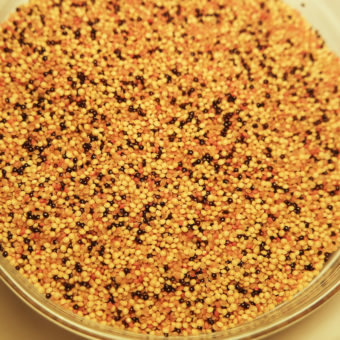
Amaranthus sp. Flower/Grain. 65-95 days. A fun and beautiful way to explore amaranth diversity. Amaranth Alliance contains flower and grain types in a rainbow of colors, with several reds, plus pink, green, bronze, and bicolors in the mix. Very ornamental – a festive backdrop for the garden. Equal parts Copperhead, Coral Fountain, Green Tails, Love…
Select options
This product has multiple variants. The options may be chosen on the product page
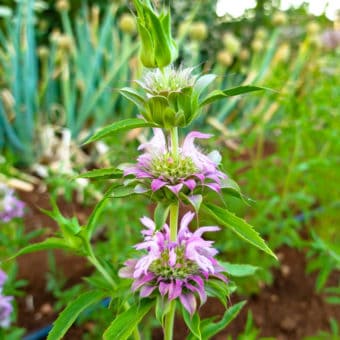
Monarda citridoria. Annual or fall-sown biennial. Lemon Bergamot Monarda achieves the garden trifecta of being an ornamental, culinary/medicinal, and insectary plant. Tubular purple flowers form in clusters around the stem, with two to six clusters along each stem. Perhaps most well known as an herbal flavoring for tea, leaves have a citrusy aroma and flavor…
Select options
This product has multiple variants. The options may be chosen on the product page
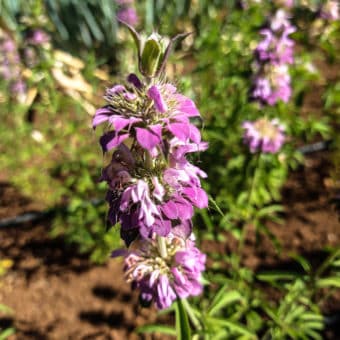
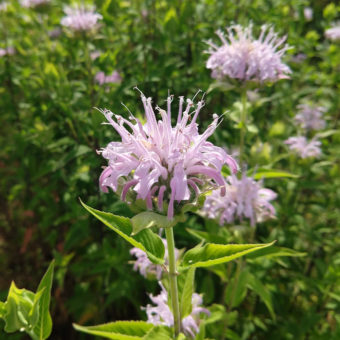
Monarda fistulosa. Perennial in zones 3-10. The name Bee Balm says it all. Bees, butterflies, other beneficial insects, even hummingbirds love to come and drink the nectar of this member of the mint family. We saw a large number of native bumble bees foraging among the summer blooms. Steal a few flowering stems from the…
Select options
This product has multiple variants. The options may be chosen on the product page
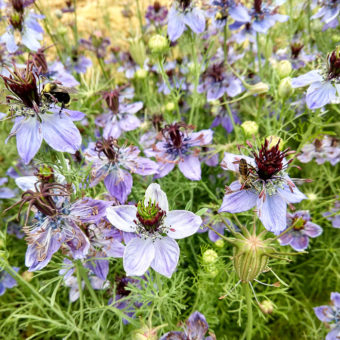
Nigella hispanica. 70-80 days. Purple-blue flowers are 2 ½” wide with a captivating cluster of extruded dark purple stamens and pistils at the center. Pollinator friendly blooms attract almost as many insect visitors as California poppies. Long, 16″ stems make great fresh cut flowers with blooms lasting just over one week – a little longer…
Select options
This product has multiple variants. The options may be chosen on the product page
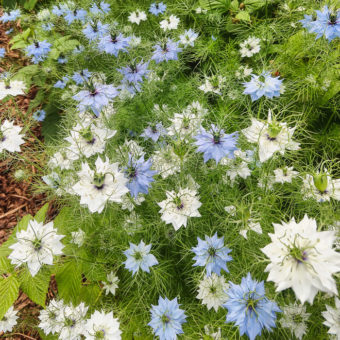
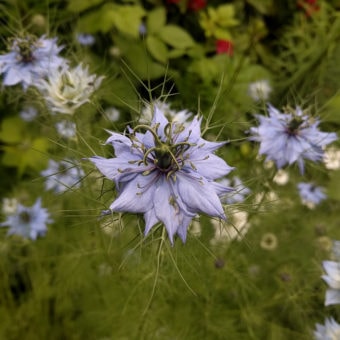
Nigella damascena. 65-75 days A fun and low-maintenance addition to the annual flower garden. Light blue or white, 1 ½” flowers are held within a framework of lacy leaves. As they dry down they transform into bulbous seed heads reminiscent of balloons. Blossoms are a good cut flower when fresh and seed heads make an…
Select options
This product has multiple variants. The options may be chosen on the product page
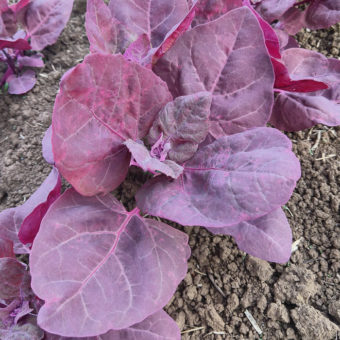
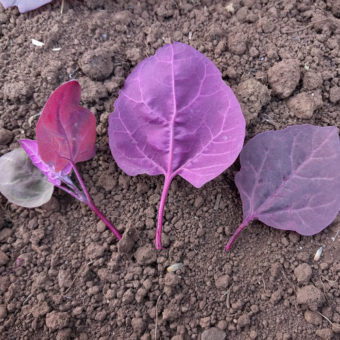
Atriplex hortensis. 40-50 days. We first learned about orach during our time at Horton Road Organics where its shocking red leaves were a key ingredient in their famous salad mix. Red Flash is a European selection that is a great salad mix variety with delightful magenta red leaves. The undersides of the lovely, heart-shaped leaves…
Select options
This product has multiple variants. The options may be chosen on the product page
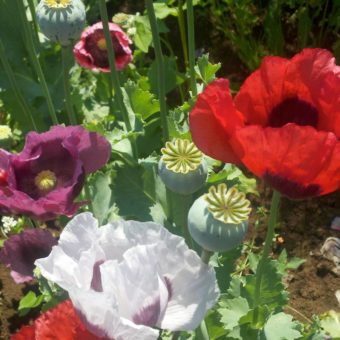
Papaver somniferum. Large, single blooms vary from light purple/white, to pink, red, magenta, and dark purple. This beautiful, easy to grow poppy population is the species commonly used for medicinal purposes. Adapted to our growing region, it is very hardy. Try sowing in the fall for early spring flowering. Can be sown in the spring…
Select options
This product has multiple variants. The options may be chosen on the product page
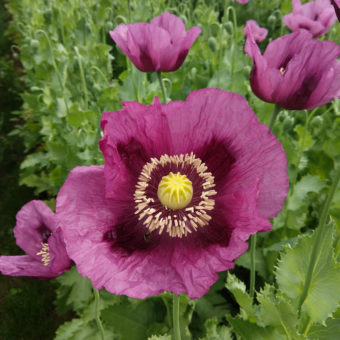
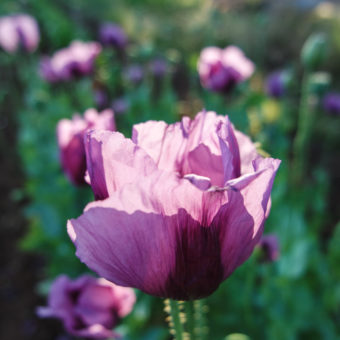
Papaver somniferum. Blue breadseed type. The light blue seeds of this variety have a delicious nutty flavor. With stunning dark purple petals, Hungarian Blue Breadseed poppy also makes a beautiful ornamental, especially when a patch or field is flowering all together. This Hungarian heritage variety is super easy to grow and a highly nutritious staple…
Select options
This product has multiple variants. The options may be chosen on the product page