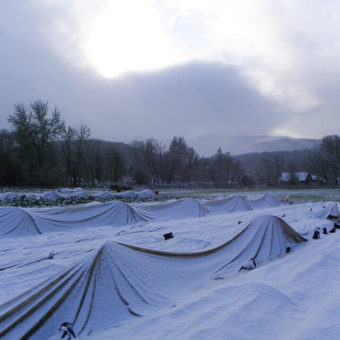
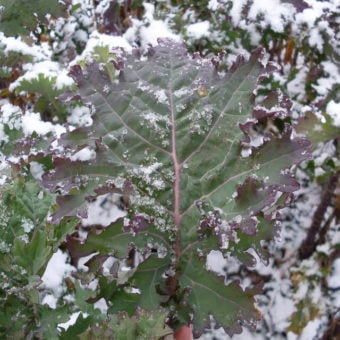
Varieties bearing the Winter Garden tag have successfully overwintered in at our location near Sweet Home, Oregon – USDA Zone 8b, with average winter lows between 15-20˚F. We often use row cover for protection when temperatures are forecast to be below 25˚F, but have found many varieties are hardy down to at least 20˚F with no protection.
Please note that inclusion here is not a guarantee of success with overwintering! Many factors, including plant size, the presence of snow or other insulation, and gradually decreasing temps vs. an abrupt cold snap, to name a few, contribute to a plant’s winter hardiness. Varieties that do well some years may not survive others.
Most varieties listed here are planted and grown to maturity (or near maturity) during the main garden season and harvested during the winter months.
For more information about winter gardening, check out The Big Willamette Winter Gardening Chart. This is a compilation of notes on fall, mid-winter and overwintering crops made in collaboration with our good friend Nick Routledge. It includes lists of crop types, sow dates, hardiness, approximate harvest times, and notes on varieties gathered through years of experience. Even if you don’t live in the Willamette Valley, this info is sure to help any winter gardener where lows are above 10-15˚F.
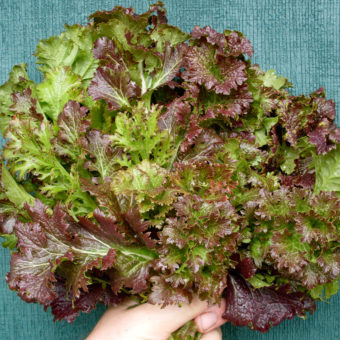
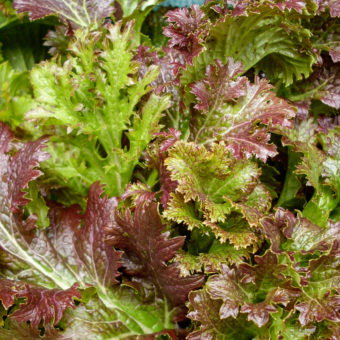
Brassica juncea. 20 days baby, 40 days full. A very diverse and strikingly beautiful mix of curly and wavy, mostly red and purple leaves with good moderate heat. Great for salad or bunching greens. A favorite of ours for winter cooked greens, the heat vanishes once cooked and the rich flavor remains. Bred in Oregon…
Select options
This product has multiple variants. The options may be chosen on the product page
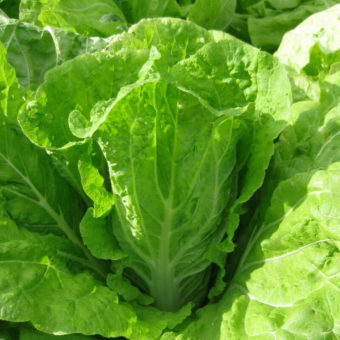
Brassica rapa. 60-70 days. A tall napa cabbage with super early heads that are very juicy. The 2-5 lb heads are perfect for kimchi and stir fry. Best covered with row cover to prevent all the other animals in the world from eating them because everybody likes to eat napa cabbage, especially the bugs. Best…
Select options
This product has multiple variants. The options may be chosen on the product page
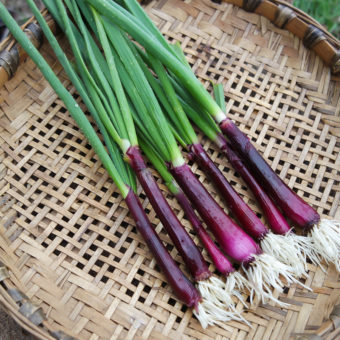
Allium cepa. Red Scallion/Onion. 40 days bunching, 90 days bulb. A beautiful, red scallion / salad / spring onion with tall, dark green tops. Red color develops early. Flavor is not as pungent as one would expect for a red onion; its mildness is well-suited for raw/fresh use. Bright red/purple color is very pretty in…
Select options
This product has multiple variants. The options may be chosen on the product page
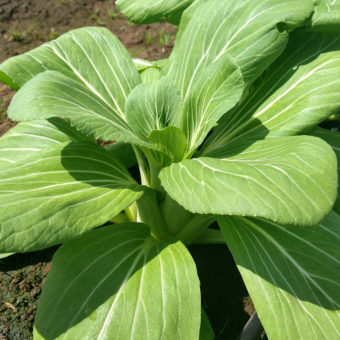
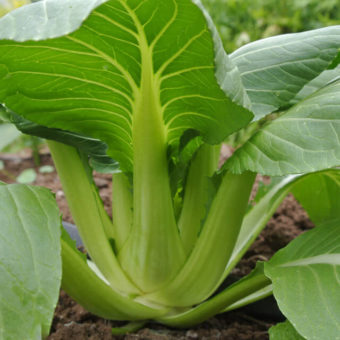
Brassica rapa. 35-40 days. Sweet and crunchy green-stemmed baby pak choi. Impressively vigorous in cool weather and it really shines in the greenhouse in early spring and fall. Produces a lot of food fast per square foot. Leaves are erect and a glossy light-green color. The leaf petioles are crunchy yet pliable and resist cracking….
Select options
This product has multiple variants. The options may be chosen on the product page
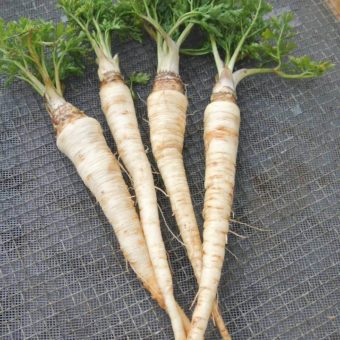
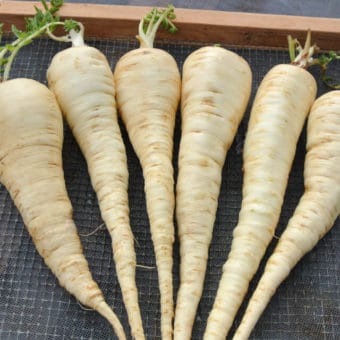
Petroselinum crispum. Pure white, 8” long carrot-shaped root vegetable with a mild parsley flavor. Very aromatic and great in soups or roasted in the oven. Hilmar really shines as a winter vegetable when it sweetens up after a frost. Plus it’s very cold hardy – it was one of the crops that overwintered in the…
Select options
This product has multiple variants. The options may be chosen on the product page
Petroselinum crispum. 75 days. A very rare and special parsley originally from a medieval kingdom located in what is present-day Syria and Turkey, and brought to North America via Cyprus. Cilician parsley has a more ferny leaf type, with an intense flavor that makes a great addition to any dish calling for parsley. Tolerates shade…
Select options
This product has multiple variants. The options may be chosen on the product page
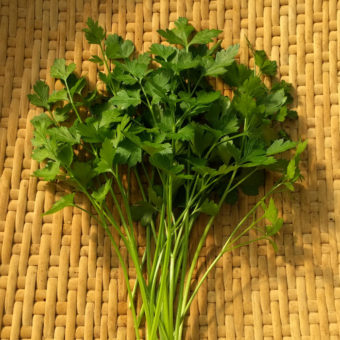
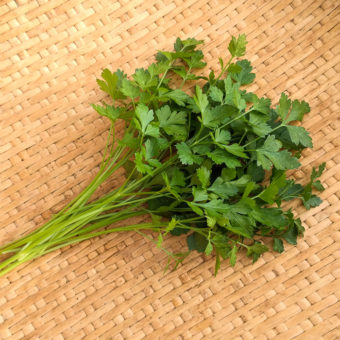
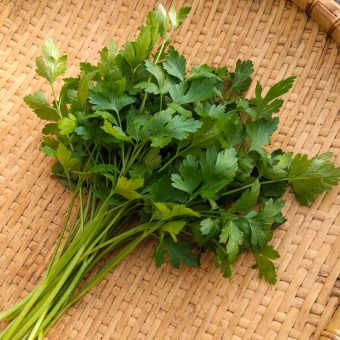
Petroselinum crispum. 70 days. An incredibly productive and delicious variety of flat-leaf parsley. Einfache Schnitt 3 parsley has much of the wonderful characteristics of the classic Giant of Italy, but with a more compact reliable plant and much better bolt-resistance. Translates from German as ‘easy cut,’ which proves to be very true. Incredibly flavorful and…
Select options
This product has multiple variants. The options may be chosen on the product page
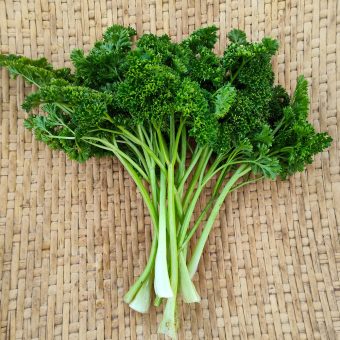
Petroselinum crispum. 75 days. With its extra curly leaves, Forest Green parsley has a very enticing and familiar appearance. Flavor is less bold than flat leaf parsley, making it great for adding a little fresh zing and color to heavy or richly flavored recipes. Not just for garnishes, curly parsley is key for recipes like…
Select options
This product has multiple variants. The options may be chosen on the product page
Pastinaca sativa. A very rare, old English parsnip variety with long, white roots that have broad shoulders and sweet flavor. The roots can get huge and therefore provide a very high yield of delicious goodness while at the same time breaking through soil hardpan to improve drainage for subsequent crops. During our 2006 Seed Ambassadors…
Select options
This product has multiple variants. The options may be chosen on the product page
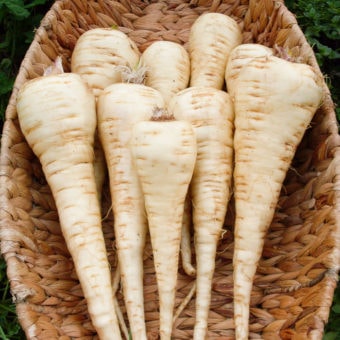
Pastinaca sativa. Halblange Weisse is German for ‘half long white’ and this variety is truly half-long with bright white skin. The half-long trait (majority of the mass is near the top of the root which quickly tapers), combined with strong tops result in a parsnip that is notably easier to dig. This variety was a…
Select options
This product has multiple variants. The options may be chosen on the product page
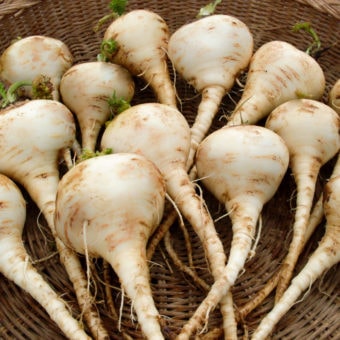
Pastinaca sativa. You may think you know parsnips once you have seen a parsnip, but, think again. This is the most unique parsnip we have ever seen and never would have guessed there could be a parsnip like this. A heritage Russian variety with a beet-shaped, bulbous root. This certainly makes for a very easy…
Select options
This product has multiple variants. The options may be chosen on the product page
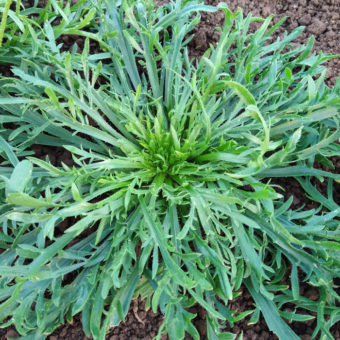
Plantago coronopus. Perennial. Tender crispness with a wonderful nutty flavor and succulent texture. A traditional European green, it survives the harshest winter weather here in Oregon. Plants are perennial and re-grow after cutting. A cultivated species related to the common edible garden weed. Narrow, strappy leaves have some antler-like forking, referenced in one of its…
Select options
This product has multiple variants. The options may be chosen on the product page
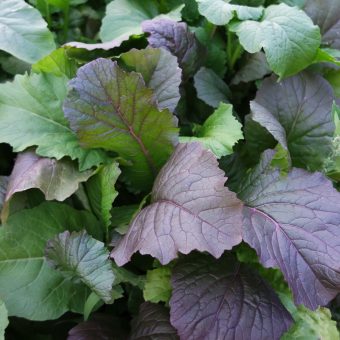
Brassica rapa. 20 days baby, 40 days full. Add a purple pop to your salad mix, sauté mix, or bunching greens with Purple Rapa Pop — a mild mustard green that is as versatile as it is varied. Leaves are a bit wavy, with colors ranging from bright green through dark purple, with some bright…
Select options
This product has multiple variants. The options may be chosen on the product page
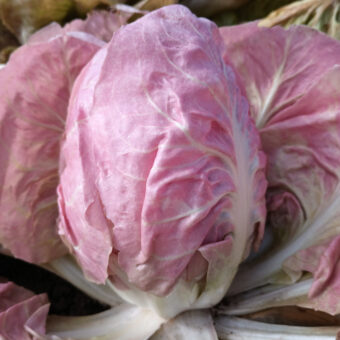
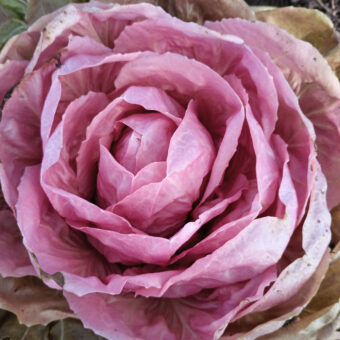
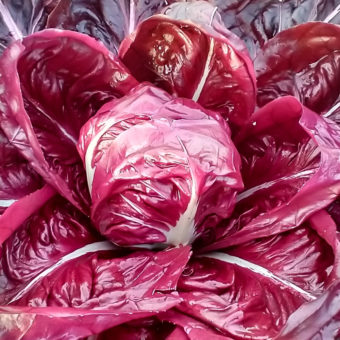
Cichorium intybus. Loose heading and tall heading type. 100-120 days. La Rosa Del Veneto is a pink leafed chicory of the type that has been “having a moment” since at least 2018. We’re hoping that moment is here to stay and that pink chicory will establish itself as more than a niche crop for fancy…
Select options
This product has multiple variants. The options may be chosen on the product page
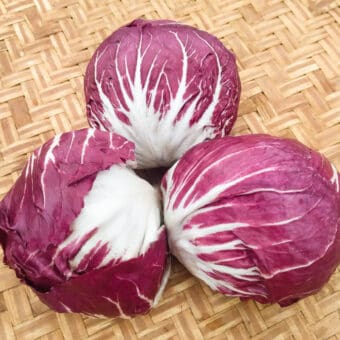
Cichorium intybus. Round heading type. 70 days. After extensive trialing, Palla Rossa Melot is the best open pollinated classic Palla Rossa radicchio we have found. Large, dense round heads of bright red and white leaves have a mild flavor and make a festive addition to the plate. Quicker to head up than many other varieties…
Select options
This product has multiple variants. The options may be chosen on the product page
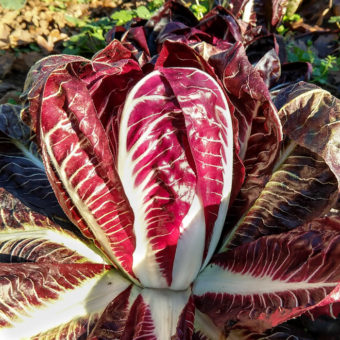
Cichorium intybus. Round heading type. 75 days. An outstanding selection of a solid heading radicchio with a 4-6” tall, elongated shape. Deep red/purple leaves with broad white mid-ribs are nice and crunchy with the tangy bitterness that radicchio is known for. We loved this variety for our winter CSA, as the tight wrapping on the…
Select options
This product has multiple variants. The options may be chosen on the product page
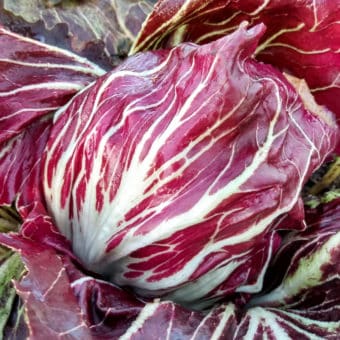
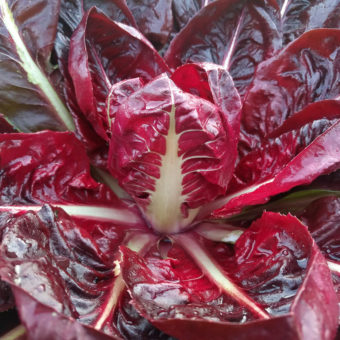
Cichorium intybus. Tall heading type. 80 days. Large heads have a deep red leaf color with crunchy white midribs. We have trialed dozens of radicchio varieties over the years and Treviso Mesola is a standout. Italians have many wonderful song-like names for vegetables. This variety is sometimes referred to by its long name, Radicchio Treviso…
Select options
This product has multiple variants. The options may be chosen on the product page
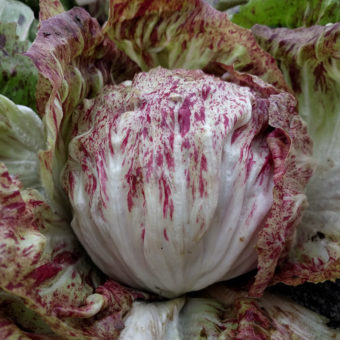
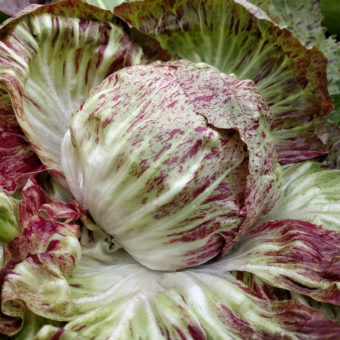
Cichorium intybus. Round heading type. 75 days. Another standout from our extensive radicchio trials. Best for fall and early winter harvest. Heads are slightly variable in shape and size but all have a nice red-pink and white variegation, lacking the green of Castelfranco and Luisa types. Large, round heads (think iceberg lettuce) are beautiful and…
Select options
This product has multiple variants. The options may be chosen on the product page
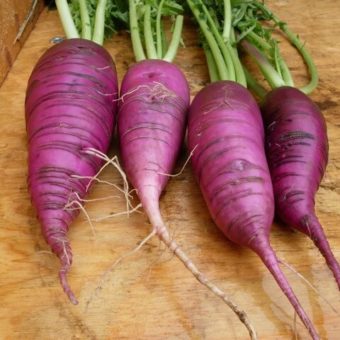
Raphanus sativus. Purple Storage. 60-80 days. Storage radish with bright violet skin and white flesh. Mild radish flavor is good raw, cooked, or pickled. Uncommon in the US but a favorite winter staple in Germany. Keeps well in the root cellar, or in the field all winter here in Oregon, as long as the mice…
Select options
This product has multiple variants. The options may be chosen on the product page
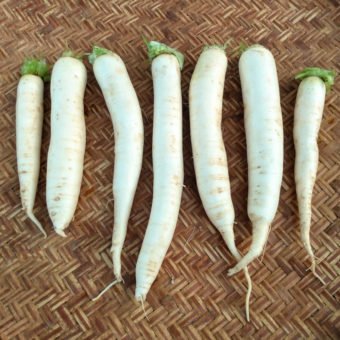
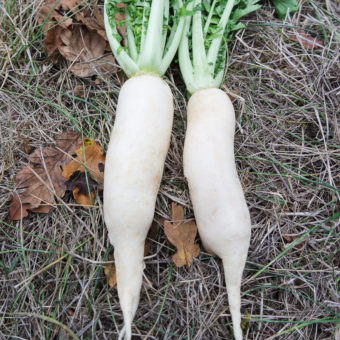
Raphanus sativus. White Daikon. 40-55 days. Classic stump-rooted daikon style radish with mild flavor. White, cylindrical roots can grow to 5 lbs and 16” long but taste best when harvested smaller. Excellent pickled, shredded on salad, or added to soups or stirfry. An outstanding storage crop, in the field or root cellar. Many daikon varieties…
Select options
This product has multiple variants. The options may be chosen on the product page
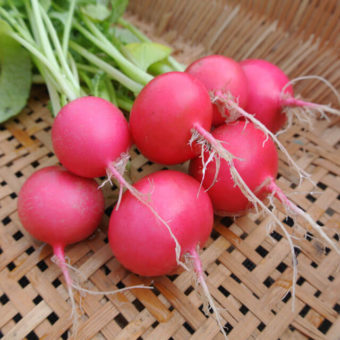
Raphanus sativus. Pink Bunching. 27 days. Round to slightly oval, crisp roots are bright pink and not too spicy. We are rarely impressed with bunching radishes, but these are just darn good. Pink Beauty is all you could ever want in a bunching radish. An excellent market farm variety, praised as being better than many…
Select options
This product has multiple variants. The options may be chosen on the product page
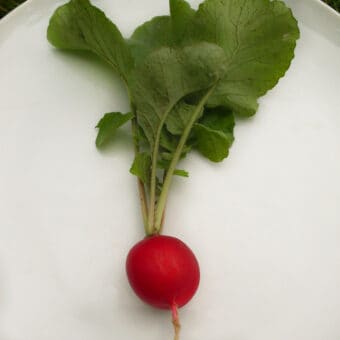
Raphanus sativus. Red Bunching. 26 days. A very high quality classic red bunching radish. Globe shaped with bright white flesh. Refreshingly crisp and quite tasty. Uniform, quick to mature, and holds well much longer in the field than most open pollinated bunching radishes. Rudi was bred by Enza Zaden, the highly regarded Dutch seed company,…
Select options
This product has multiple variants. The options may be chosen on the product page
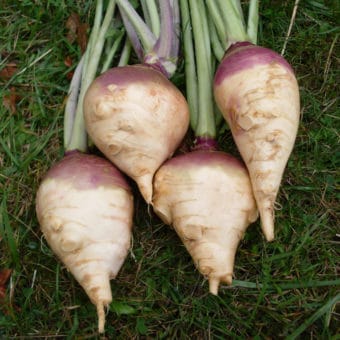
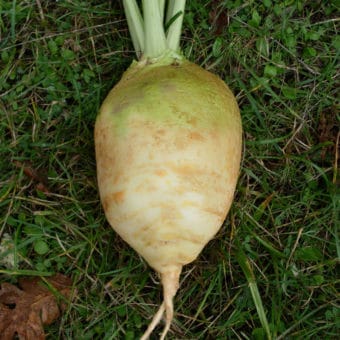
Brassica napus. 80+ days. Angela is an attractive round rutabaga (aka Swede) with purple tops and light golden flesh. A refined English selection of the classic purple top category of rutabagas. Yields a large percentage of high quality roots that have a sweet flavor and are very winter hardy. Shows some resistance to powdery mildew,…
Select options
This product has multiple variants. The options may be chosen on the product page
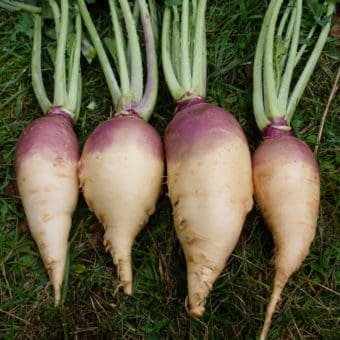
Brassica napus. 80 days. Nicely proportioned, purple top rutabaga with smooth, uniform shape and golden skin. One of the most attractive rutabagas we have ever grown. Major Dunne retains excellent texture and flavor even when very large. Roots are more elongated than a typical rutabaga and stand tall in the field with big healthy leaves….
Select options
This product has multiple variants. The options may be chosen on the product page
Brassica napus. 80+ days. Large, green-topped Lithuanian rutabaga with golden flesh. they grow into a uniform, large, round shape. Vigorous and early-maturing with very little neck. Nadmorska has a slightly more mustard spiced flavor than the purple top rutabagas. It combines very well with other roots like beets and potatoes in the roasting pan. We…
Select options
This product has multiple variants. The options may be chosen on the product page
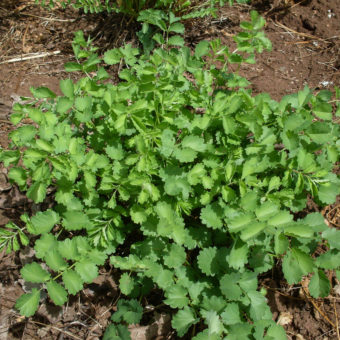
Sanguisorba minor. Perennial. Salad Burnet is a delightful salad green, sometimes added to mixed salads in Europe where it is native. The flavor is a nice accent in salad mix as it tastes like cucumbers. Cute, pinnately compound leaves always receive the question, “Oh, what is that?” We love it for its hardiness and tasty…
Select options
This product has multiple variants. The options may be chosen on the product page
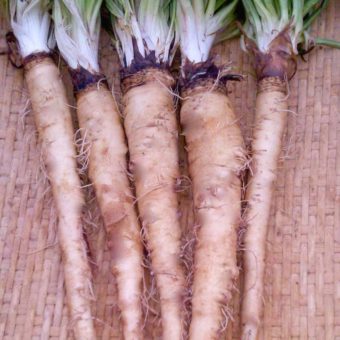
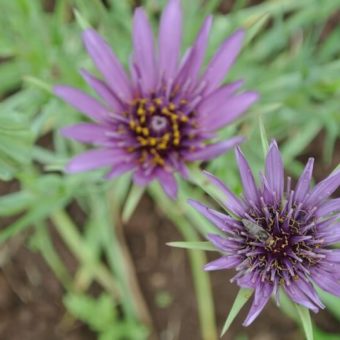
Tragopogon porrifolius. Yet another delicious root crop common in Europe but rarely grown here in the US. Hopefully we can change that as salsify has much to offer! Roots grow to the size and shape of imperator type carrots but are cream colored. Flavor is said to resemble oysters, in fact salsify is also known…
Select options
This product has multiple variants. The options may be chosen on the product page
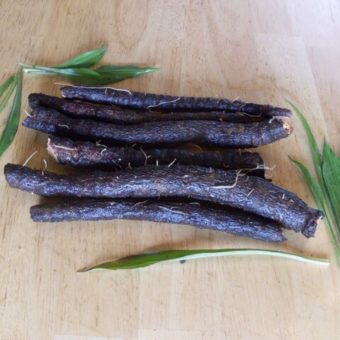
Scorzonera hispanica. This root vegetable has black skin and mild-flavored white flesh. Leaves provide reliable winter greens, and bright yellow flowers in second year are edible. That’s right: three vegetables in one! Not only is this a standby and delicious winter food, but it is a true perennial perfect for the permaculture garden. We found…
Select options
This product has multiple variants. The options may be chosen on the product page
Ten packets of winter hardy and hearty garden vegetables, including root vegetables and leafy greens. Currently includes the following: beets, purple sprouting broccoli, cabbage, corn salad, chicory, green onion, kale, mustard, parsnip, radish. This collection is packaged in an attractive cotton muslin drawstring bag and includes an Adaptive Seeds sticker. 10 packets. $43.50
Silene vulgaris. Perennial. Salad herb native to Europe. Great for year-round salads as it is very hardy. Also good cooked in risotto and omelets. Used throughout Italy for its slightly aromatic flavor much like arugula or chicory, but milder and with an herbal note. Some avoid the older leaves as they have a strong bite….
Select options
This product has multiple variants. The options may be chosen on the product page
Rumex acetosa. Perennial. A variety of garden sorrel with nice long, strap-shaped leaves. Good color and flavor all winter. Tolerates dry spells. Extremely hardy and perfect for the permaculture or gourmet garden. We like it added as a small part in salad mixes and sauces, and it is used in sorrel soup, of course. Collected…
Select options
This product has multiple variants. The options may be chosen on the product page
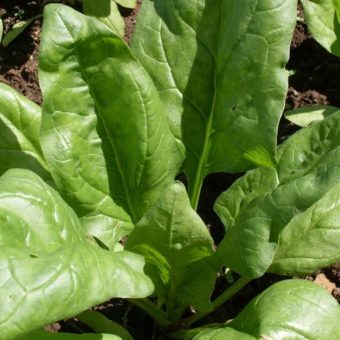
Spinacia oleracea. 50 days. The most reliable, proven spinach for winter production. Dark-green, slightly triangular, smooth leaves can get giant, the size of chard leaves. The sweet flavor is perfect for salad mix when baby size and for bunching when fully grown. Not particularly suited for summer production, Giant Winter has proven to be a…
Select options
This product has multiple variants. The options may be chosen on the product page