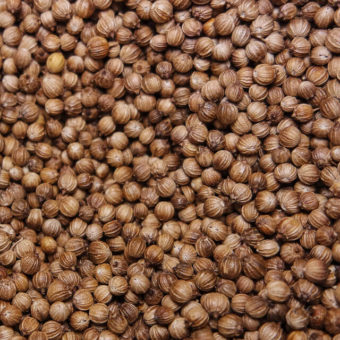
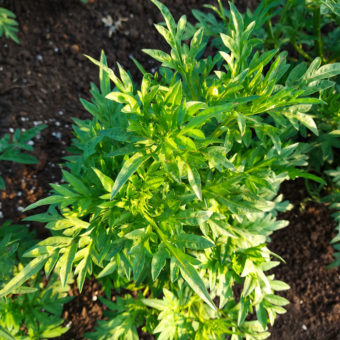
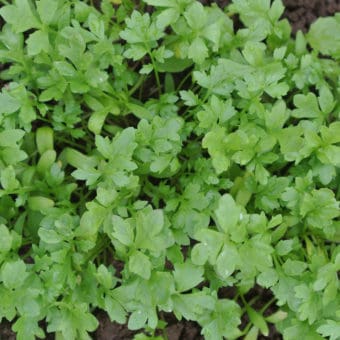
Coriandrum sativum. This large seeded coriander/cilantro has a fresh, aromatic flavor. Selected for seed production, the plants are shorter, earlier to flower, and have larger seeds than leaf type varieties. Although it is not the primary use, it also has tasty, aromatic leaves and roots that are useful in Thai food. Kanchanaburi coriander is a…
Select options
This product has multiple variants. The options may be chosen on the product page
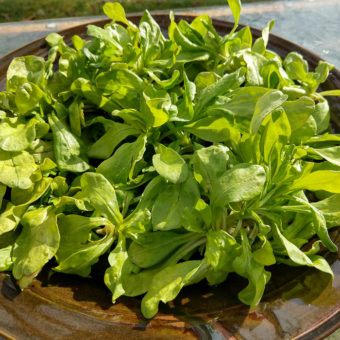
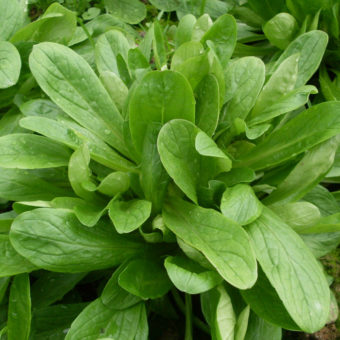
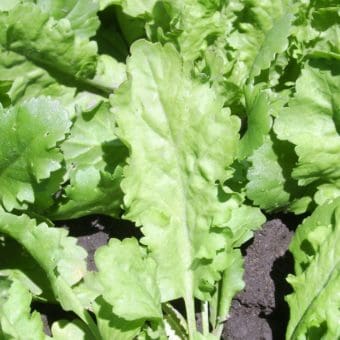
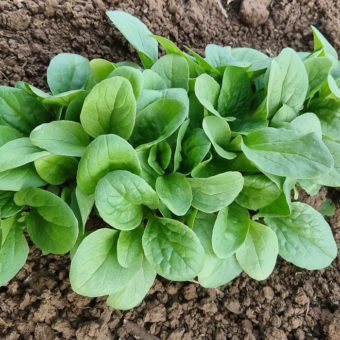
Valerianella sp. 55 days. Nüssler is the common name for corn salad in German-speaking Switzerland, where we picked up this tasty and nutritious gem on our Seed Ambassadors travels many years ago. Light-green (almost golden) leaves have very mild flavor and form a small rosette which is harvested whole or occasionally as cut-and-come-again salad greens…
Select options
This product has multiple variants. The options may be chosen on the product page
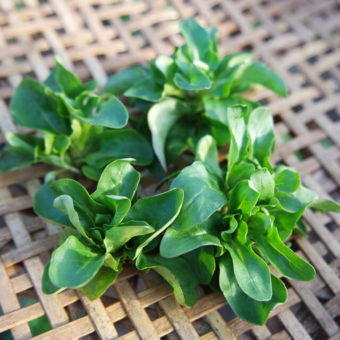
Valerianella locusta. 35 days. Granon is a standby variety of corn salad that grows well year-round in cool climates, but is best known as a winter salad green for both outdoor and indoor production. Plants produce a small rosette (think baby greens size) that may be harvested whole or by cutting individual leaves for cut-and-come-again…
Select options
This product has multiple variants. The options may be chosen on the product page
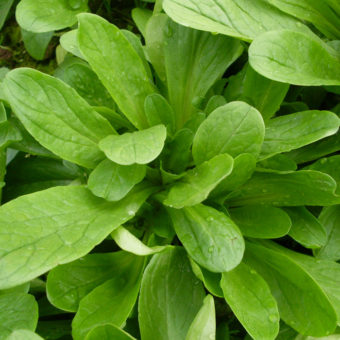
Valerianella locusta. 45 days. Winter hardy, yet tender and mild flavored salad green that has a nice subtle hint of nuttiness with a floral perfume. Plants form a small rosette of strap-shaped, light-green, 4″ leaves. Usually grown autumn through spring, the very hardy plants easily overwinter in our field. Piedmont is a large seeded, larger…
Select options
This product has multiple variants. The options may be chosen on the product page
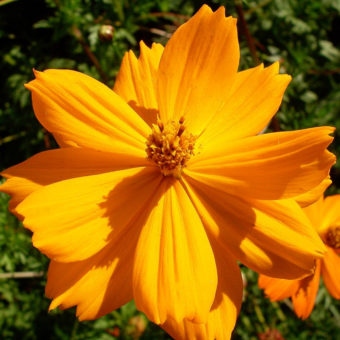
Cosmos sulphureus. Semi-double, fiery orange blooms on 3-4′ tall plants that flower early. Prolific would be the word to describe Buddha’s Hand Cosmos. A favorite of bumblebees and honey bees. We have been growing this variety ever since our days as farm apprentices in 2004 and we hope to keep it around for the long…
Select options
This product has multiple variants. The options may be chosen on the product page
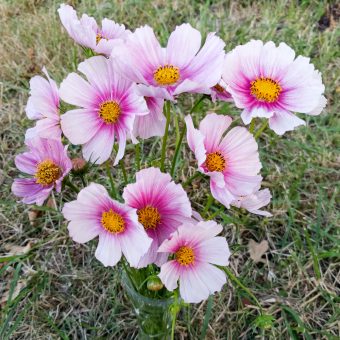
Cosmos bipinnatus. A tall, productive, and attractive cosmos covered with unique blooms. Plants grow 5-6′ tall. Daydream cosmos flowers have a nice rosy center surrounded by pale pink. The bulls-eye pattern must make nice targets for insects with infrared vision because they are very attractive to pollinators. Stealing a few from the bees is worthwhile…
Select options
This product has multiple variants. The options may be chosen on the product page
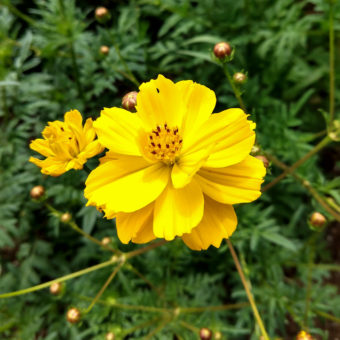
Cosmos sulphureus. Bright yellow, 2-3″ wide flowers are like little stars in the garden. Can quickly grow into a hedge covered in yellow blooms, which the bees love. Bushy plants grow to 4’ wide and tall, and bloom all season long in the Pacific Northwest. In other latitudes, or when planted mid summer, Kenikir cosmos…
Select options
This product has multiple variants. The options may be chosen on the product page
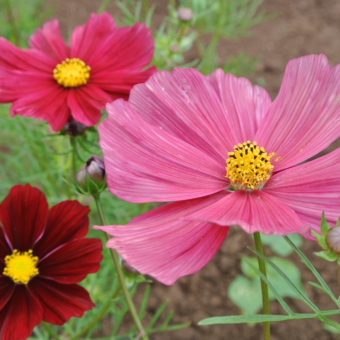
Cosmos bipinnatus. A dynamic flower that changes color as it matures, from a deep wine maroon to a muted rose, with many shades in between. Single flowers with yellow centers appear atop ferny foliage. Upright plants grow to about 3 ½’, making Rubenza shorter than most cosmos so they do not need staking. Begins flowering…
Select options
This product has multiple variants. The options may be chosen on the product page
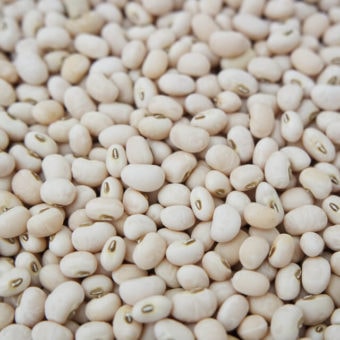
Vigna unguiculata. White. 65 days fresh, 90 dry. An excellent, productive, early variety of white seeded cowpea. Beans have a creamy texture and do not require soaking before cooking. Pods are solid and hold well above the ground on compact upright bushes so they can take some wet weather and not succumb to mold. Beautiful…
Select options
This product has multiple variants. The options may be chosen on the product page
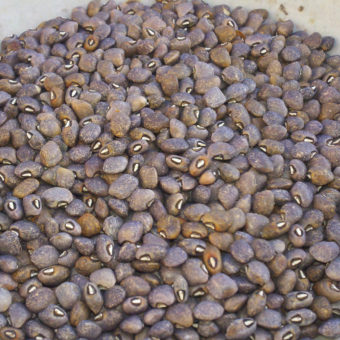
Vigna sinensis. Grey Speckled. 75 days fresh, 95 dry. We have tried growing many varieties of cowpea / black-eyed pea / crowder pea through the years and had never experienced a harvest worth writing about until 2014 when we gave Grey Speckled Palapye a try and finally, a cowpea worthy of praise in our growing…
Select options
This product has multiple variants. The options may be chosen on the product page
Lepidium sativum. 30 days. Very large, broad leaves for a garden cress, with nice wavy edges. Fairly slow to bolt. Good hot mustard flavor reminiscent of wasabi without too much spice. Makes a substantial addition to salad mix. Dutch Broadleaf cress is great on sandwiches, and we especially enjoy its peppery addition to BLTs. An…
Select options
This product has multiple variants. The options may be chosen on the product page
Lepidium sativum. 20 days. A delightfully pungent addition to salads, Greek Cress is a type of garden cress (aka, pepper grass) that is easy to grow and thrives in cool weather. Best when young, its delicate, frilly leaves contribute a hot mustardy flavor and it’s a great green to use for cut-and-come-again salads. May also…
Select options
This product has multiple variants. The options may be chosen on the product page
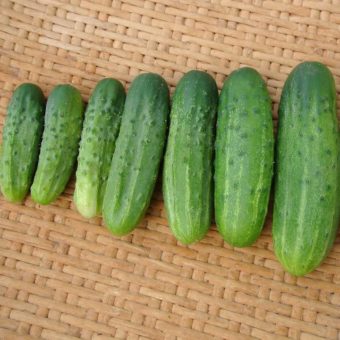
Cucumis sativus. Pickling. 55 days. Pickling type that is also great for fresh eating. Addis Pickle cucumber is so productive, Sarah ate one almost every day for lunch from the single (under-watered) plant in the kitchen garden from late July into September. Dark green with white spines, 5–7” cylindrical fruit are good for processing. Bred…
Select options
This product has multiple variants. The options may be chosen on the product page
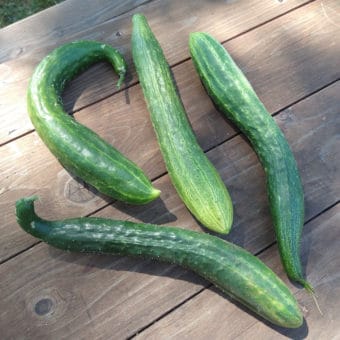
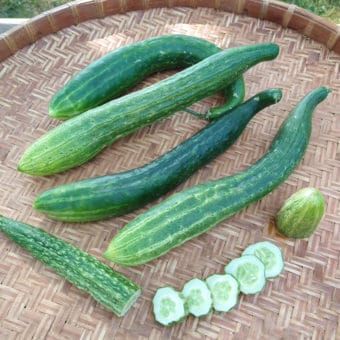
Cucumis sativus. Slicing. 60 days. Dark green, long Chinese trellising type cucumbers average 10-12” long and have very few seeds. Early maturing, crisp texture and good flavor. We grow Jin Yang #2 cucumbers outdoors without a trellis and end up with perfectly good but curved cucumbers; for straight cukes we recommend trellising. Sourced from our…
Select options
This product has multiple variants. The options may be chosen on the product page
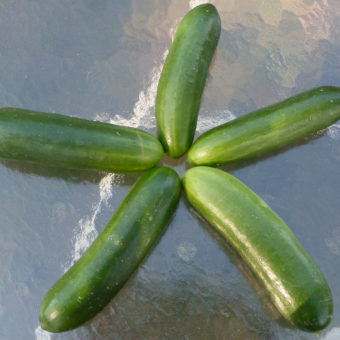
Cucumis sativus. Slicing. 50-60 days. Middle Eastern/Mediterranean type cucumber – bright green skin, smooth, mild flavor – with amazing sweet flavor, texture, productivity and appearance. Nobody needs to grow the American type of cucumber – dark-green, bumpy, prone to bitterness – when there are delicious gems like this. Thin skin is remarkably tender yet durable….
Select options
This product has multiple variants. The options may be chosen on the product page
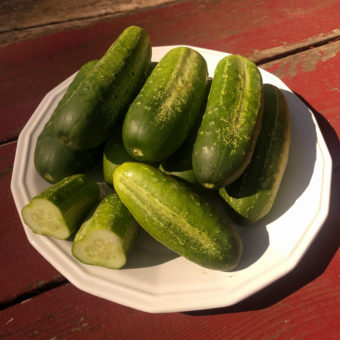
Cucumis sativus. Pickling. 45-50 days. Very early and productive pickling type cucumber. Compact vines are good for container production or those with limited space. Quickly produces lots of fruit, which are great for pickles when small but also delicious sliced and eaten fresh. Fruit have the classic pickle appearance: dark green with soft white spines…
Select options
This product has multiple variants. The options may be chosen on the product page
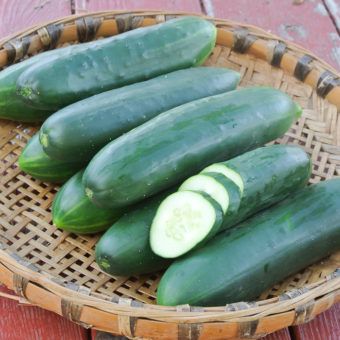
Cucumis sativus. Slicing. 60-70 days. There’s no need for hybrid cucumbers with wonderful varieties like this around! Dark green skinned, 7-8″ long fruit are juicy, crunchy, and sweet. The yield is remarkable and we highly recommend it for organic farm production or for anyone who wants boxes full of classic slicing cukes. An excellent variety from…
Select options
This product has multiple variants. The options may be chosen on the product page
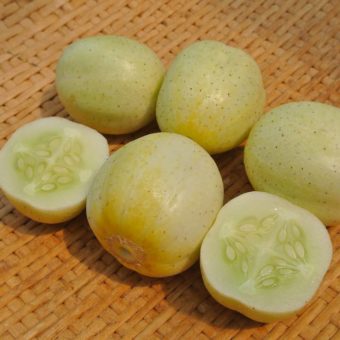
Cucumis sativus. 65 days. Let’s get this out of the way right now: I love lemon cucumbers. I like all cucumbers, but lemon cukes are the only cukes I love. Let me count the ways: They are crisp and delicious, and in addition to being the size, shape, and color of a lemon, mature fruit…
Select options
This product has multiple variants. The options may be chosen on the product page
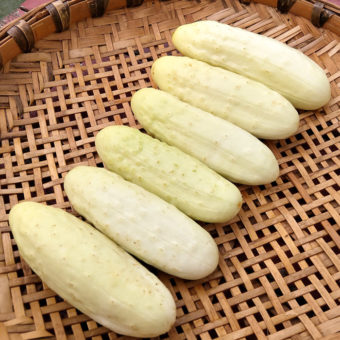
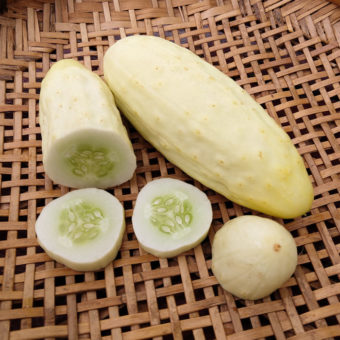
Cucumis sativus. Slicing. 50-60 days. White Heron slicing cucumbers are similar to True Lemon but with a classic slicer shape and lighter white color. Fruit are best harvested under 5” long, when thin skin is still tender enough to make peeling unnecessary. We like to harvest them when the stem end of the fruit just starts…
Select options
This product has multiple variants. The options may be chosen on the product page
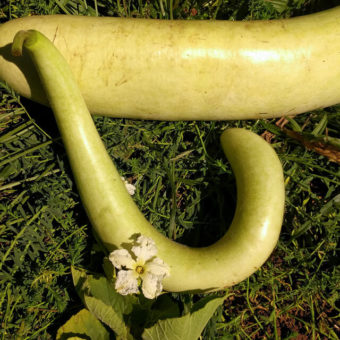
Lagenaria siceraria. Light Green. 65-75 days. The original zucchini grown for thousands of years in Europe, these pale green gourds are best eaten before they reach 12″ long. With their white flesh and very mild flavor they are versatile in the kitchen and can be used in any dish that calls for summer squash. The…
Select options
This product has multiple variants. The options may be chosen on the product page
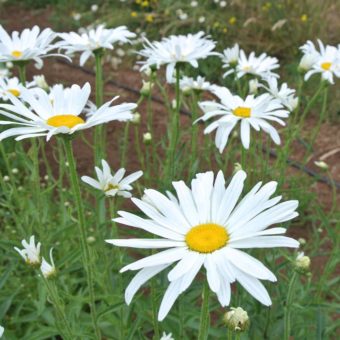
Leucanthemum x superbum. Perennial in zones 5-9. Classic, 3-4” white petaled flowers atop tall plants. Blooms throughout the summer if deadheaded regularly. Long stems on 3′ plants make Giant Shasta Daisy a great cut flower. If sown early in spring, this perennial will bloom in its first year. This variety was bred by plant genius…
Select options
This product has multiple variants. The options may be chosen on the product page
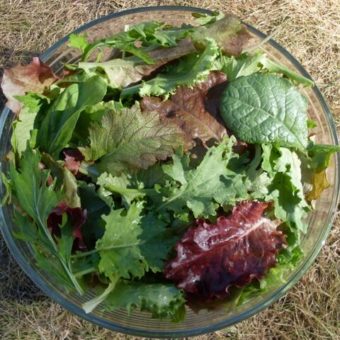
30-60 days. One of the easiest ways to celebrate edible plant diversity is to put it in your salad mix. This is our chosen salad mix for most of the year – except the hottest months. Mixed for deliciousness and beauty, with colors ranging from dark red to vivid green. Also very hardy for winter…
Select options
This product has multiple variants. The options may be chosen on the product page
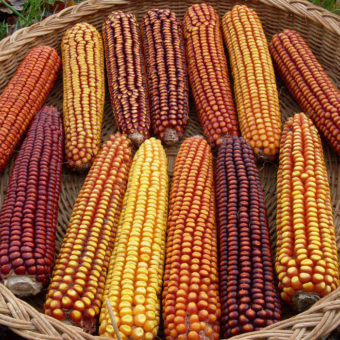
Zea mays. Flinty Dent. 90-100 days. Our main crop field corn that we grow for cornmeal, flour and for making masa. Open Oak Party Mix is the best corn we offer for nixtamalization and making your own hominy or pozole. After grinding, we sometimes sift out the coarse polenta from the flour and we have…
Select options
This product has multiple variants. The options may be chosen on the product page
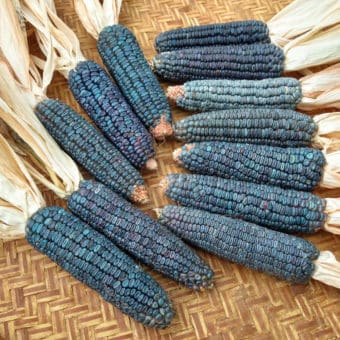
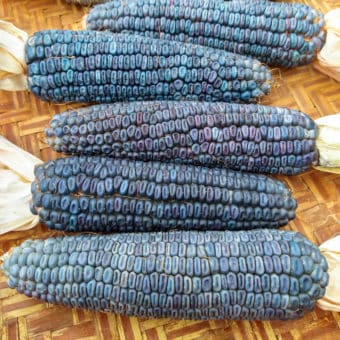
Zea mays. Dent. 90-100 days. One of the most beautiful and uniquely colored corns we have seen, with single colored ears ranging from striking turquoise to bright blue to purple-blue kernels. Strubbe’s Blue Dent Corn is perfect for making your own blue tortilla masa or cornmeal for cornbread. Plants grow to about 7′ tall and…
Select options
This product has multiple variants. The options may be chosen on the product page
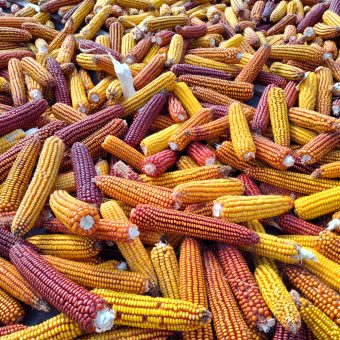
Zea mays. Flinty Dent. 90 days. After several years of collaboration with the Dry Farming Institute, we are thrilled to offer Wildfire Dent Corn, a dry farming selection of our own Open Oak Party Mix Dent Corn. Received as breeding material from Dr. Lucas Nebert, of Oregon State University. Wildfire Dent Corn has been collaboratively…
Select options
This product has multiple variants. The options may be chosen on the product page
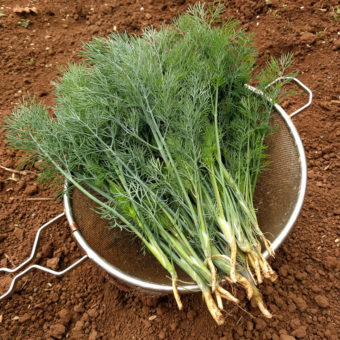
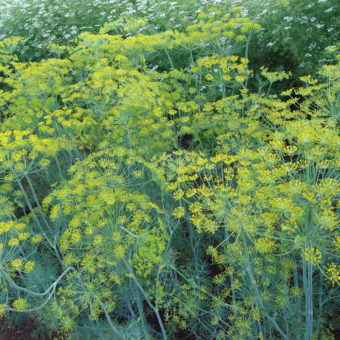
Anethum graveolens. 35 days. An amazingly fragrant variety of dill. Heavenly in the garden and a key ingredient for many pickle recipes. You can’t have too many jars of dilly beans in the pantry. Also delicious in borscht (beet soup), and cooked with fish or potatoes. Flowers are very attractive to pollinators. We sourced Ambrosia…
Select options
This product has multiple variants. The options may be chosen on the product page
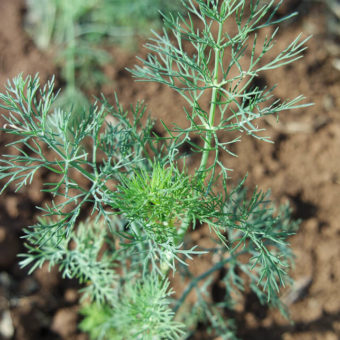
Anethum graveolens. 35 days. Dill is a must have in any garden, and Mt Adams dill is a great early-to-flower variety perfect for seed and flower production. It is also a good producer of dill leaf but not as prolific as mammoth types. Dill is a commercial crop in Washington state, where many acres are…
Select options
This product has multiple variants. The options may be chosen on the product page
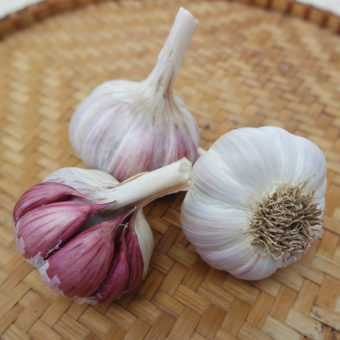
Hardneck Creole type Donostia Red is from a market in the city of Donostia, also known as San Sebastián, located in the Basque autonomous community of Spain. Like all Creole garlic types, it is from Basque Country and not Louisiana, despite the name association. Donostia Red has 8-12 crimson cloves on smallish bulbs with white…
Select options
This product has multiple variants. The options may be chosen on the product page
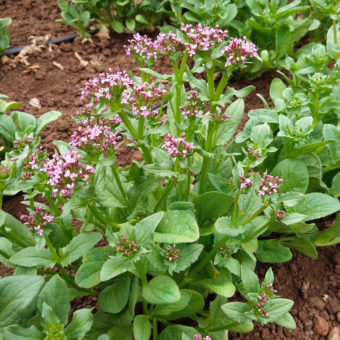
Fedia cornucopiae. 30-40 days. A delicious walnut flavored, tender salad green. Doucette d’Alger is a cousin of corn salad with larger leaves and can be used in a similar manner, however it is a hot weather loving plant that thrives in mid-summer. Flowers are an attractive lilac color that bees find highly desirable. While rare…
Select options
This product has multiple variants. The options may be chosen on the product page
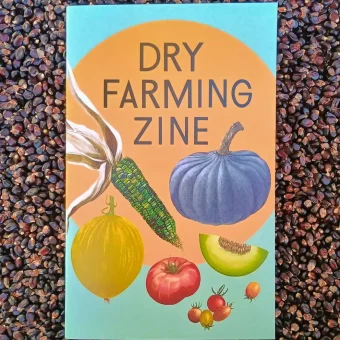
Dry Farming Zine By Dry Farming Institute, Culinary Breeding Network, and Oregon State University. 2024. 42 pages. Learn about Dry Farming, a low-input, climate-responsive approach to growing crops, in 42 easy-reading pages! This zine was created to increase the understanding of dry farming, its roots, and application in the maritime Pacific Northwest of North America….
Echinacea purpurea. Perennial in zones 3-10. North American native prairie wildflower with pretty purple daisy-like flowers that reach 3” across. Begins blooming in second year. Once common in the wild, but now mainly grown under cultivation with many varieties developed for ornamental purposes. This strain was sourced from a wild population and has been stewarded…
Select options
This product has multiple variants. The options may be chosen on the product page
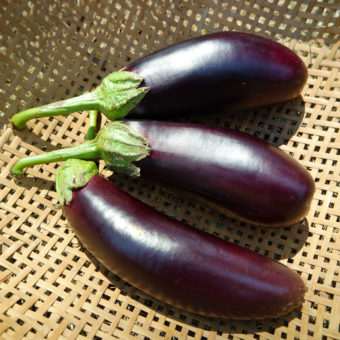
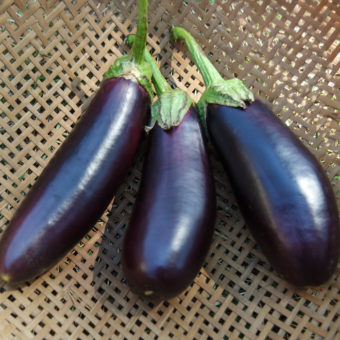
Solanum melongena. Purple. 60 days. Astrakom is possibly the best eggplant for short season climates or for those who struggle to get the larger fruited types to produce well. Deep purple, elongated teardrop-shaped fruit are smaller and a bit earlier than Diamond. Compact plants produce lots of medium-small (about 4” long) fruit, perfect for folks who…
Select options
This product has multiple variants. The options may be chosen on the product page