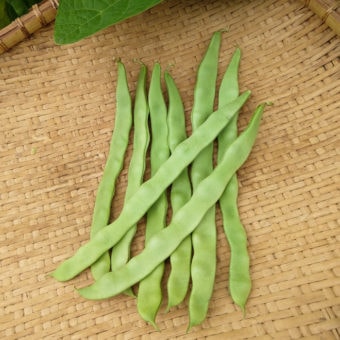
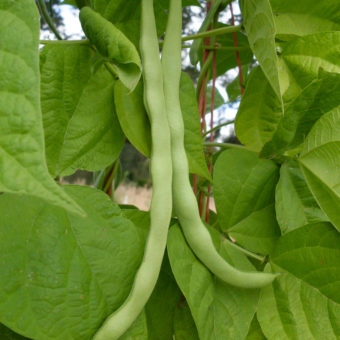
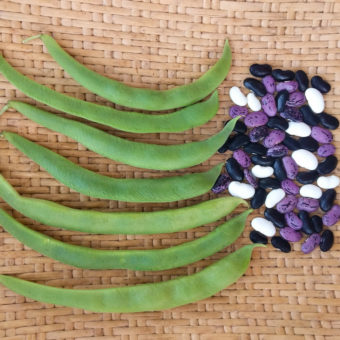
Phaseolus vulgaris. Flat Green Pods. 60 days. If you are tired of waiting for your pole beans to mature but still wish to grow pole beans because of their season-long production and excellent flavor, look no further. This is a great productive and early green bean with long, flat Romano type pods and large, white…
Select options
This product has multiple variants. The options may be chosen on the product page
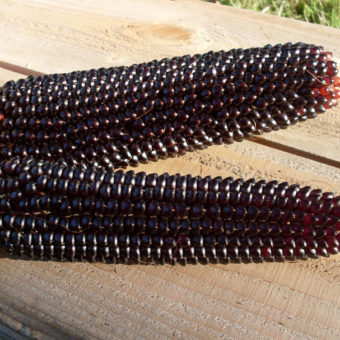
Zea mays. Popcorn. 90 days. One of the earliest maturing and easiest to grow popcorns. 6-8” ears on 6′ tall plants. Dark black kernels have a ruby-red, glassy shine when held in the right angle of light. The pointy kernels pop bright white with a small black hull still attached. The flavor is delicious, hearty…
Select options
This product has multiple variants. The options may be chosen on the product page
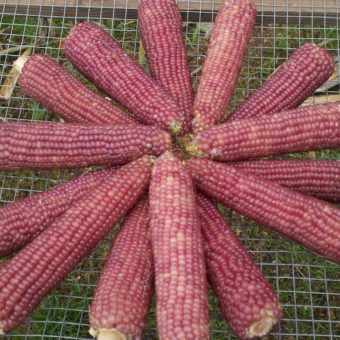
Zea mays. Popcorn. 90 days. Early maturing, high yielding, very tasty, and with a range of captivating pink colors to boot! Early Pink Pearl is the perfect complement to Dakota Black. The 4-6” ears are very ornamental and range from dark purple-pink to a light pink pearl tone. Easily matures in our climate. Petite popped…
Select options
This product has multiple variants. The options may be chosen on the product page
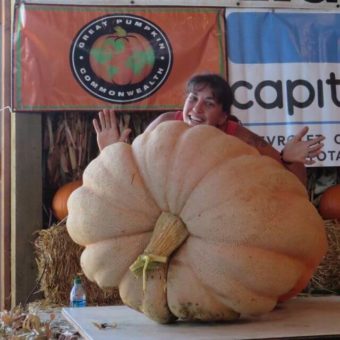
Cucurbita maxima. 105 days. Giant pumpkins are super fun to grow if only because you can’t help but smile at such silly fruit. This strain of Dill’s Atlantic Giant comes from the Pacific Giant Vegetable Growers, the club that hosts the annual Giant Pumpkin Weigh-off in Gervais, Oregon. In 2014, Sarah came in 27th place…
Select options
This product has multiple variants. The options may be chosen on the product page
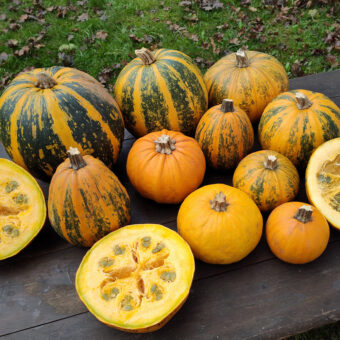
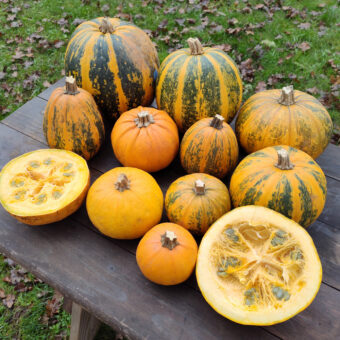
Cucurbita pepo. 90-110 days. Hulless pumpkin seeds (aka, pepitas) are some of the tastiest and most nutritious treats that one can grow in the garden or farm field. They are mind bogglingly delicious when freshly roasted with a little salt. So why not grow your own with Emerald Naked Seeded pumpkin? Our friend Chris Homanics…
Select options
This product has multiple variants. The options may be chosen on the product page
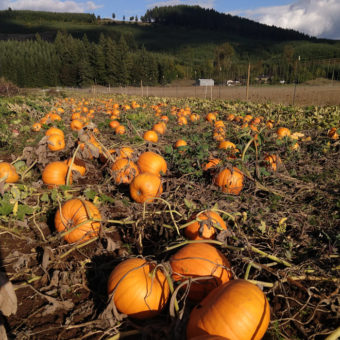
Cucurbita pepo. 75 days. This jack-o-lantern is often orange in mid-August from an early June transplanting! We never would have thought it possible without seeing it with our own eyes. Many jacks are late to mature; this one is so early you can forget about planting it until July and probably still have good results….
Select options
This product has multiple variants. The options may be chosen on the product page
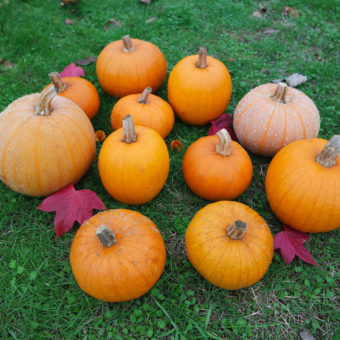
Cucurbita pepo. 80-90 days. We searched high and low for open pollinated pie pumpkins and were amazed at how few varieties we could get our hands on. After months of scouring the internet and the Seed Savers Exchange, we had 11 varieties, including several heirlooms that came with no description or info beyond the name….
Select options
This product has multiple variants. The options may be chosen on the product page
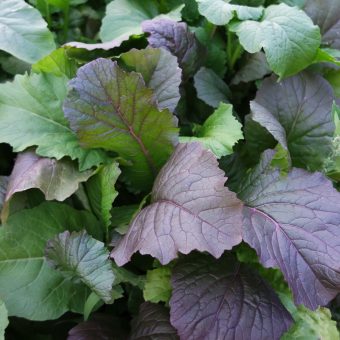
Brassica rapa. 20 days baby, 40 days full. Add a purple pop to your salad mix, sauté mix, or bunching greens with Purple Rapa Pop — a mild mustard green that is as versatile as it is varied. Leaves are a bit wavy, with colors ranging from bright green through dark purple, with some bright…
Select options
This product has multiple variants. The options may be chosen on the product page
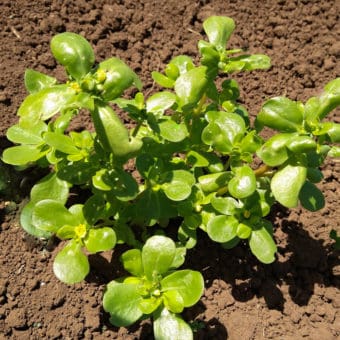
Portulaca oleracea sativa. 50 days. Similar to Munich purslane, but with darker green leaves and thinner stems. French Green Leaf slightly resembles wild purslane but is distinctly different as it grows very upright for easy cutting, and leaves and stems are more succulent with a milder flavor. This variety makes a nice crunchy addition to…
Select options
This product has multiple variants. The options may be chosen on the product page
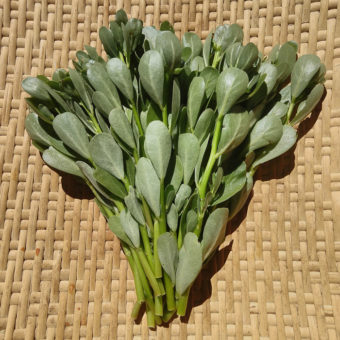
Portulaca oleracea sativa. 50 days. Munich Purslane is a summer salad green with great texture and heat tolerance. Not the weedy relative, this grows tall and sets seed late. It also has much better flavor compared to wild purslane. High in Omega-3 fatty acids, it adds a citrusy tang to summer salads. Its character seems…
Select options
This product has multiple variants. The options may be chosen on the product page
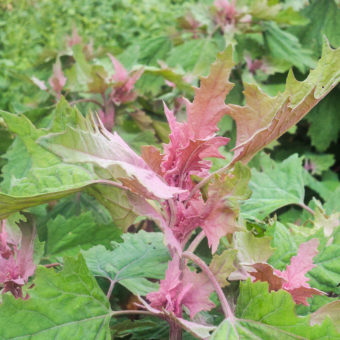
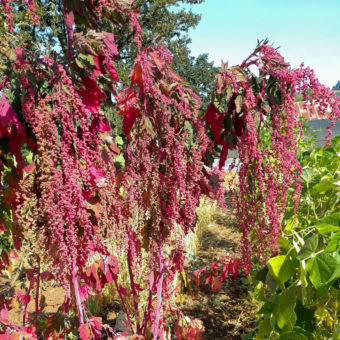
Chenopodium formosanum. 120-130 days. Easy to grow plants are similar to lambsquarters, with a unique pink coloration. Very heat tolerant. The magic happens when they grow over 6′ tall, producing beautiful long trailing flower heads. Flower heads resemble Love Lies Bleeding amaranth and similarly make great cut flowers. Late to mature seed but the plants…
Select options
This product has multiple variants. The options may be chosen on the product page
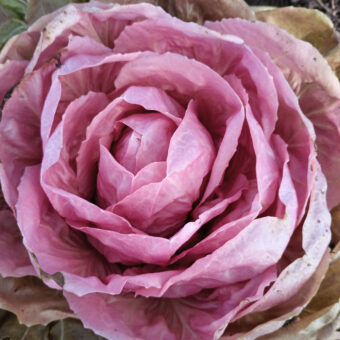
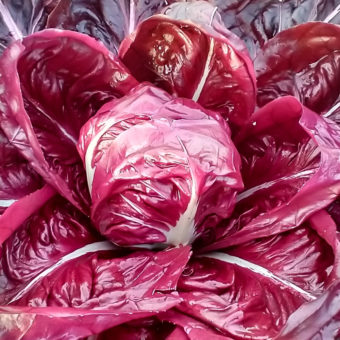
Cichorium intybus. Loose heading and tall heading type. 100-120 days. La Rosa Del Veneto is a pink leafed chicory of the type that has been “having a moment” since at least 2018. We’re hoping that moment is here to stay and that pink chicory will establish itself as more than a niche crop for fancy…
Select options
This product has multiple variants. The options may be chosen on the product page
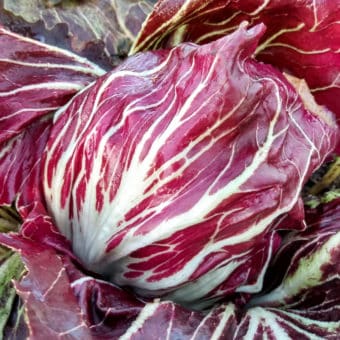
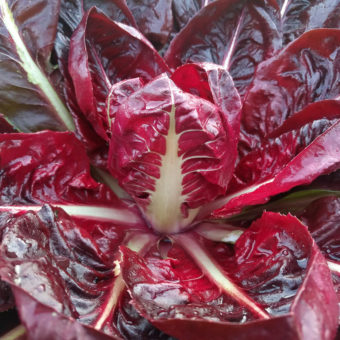
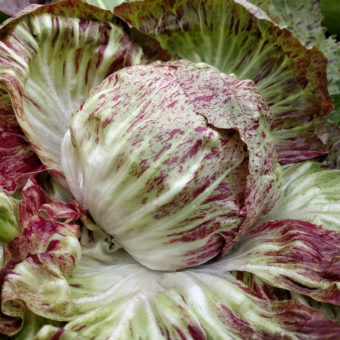
Cichorium intybus. Loose heading rosette type. 65 days. An unstoppable winter green. Semi-open rosette shaped heads with some variation in red and green variegation, speckling and tones. Good planted any time summer through fall. More resistant than other radicchios to winter predation from rodents. Harvest as heads or as cut-and-come-again leaf. Very winter hardy with…
Select options
This product has multiple variants. The options may be chosen on the product page
Cichorium intybus. Round heading type. 70 days. After extensive trialing, Palla Rossa Melot is the best open pollinated classic Palla Rossa radicchio we have found. Large, dense round heads of bright red and white leaves have a mild flavor and make a festive addition to the plate. Quicker to head up than many other varieties…
Select options
This product has multiple variants. The options may be chosen on the product page
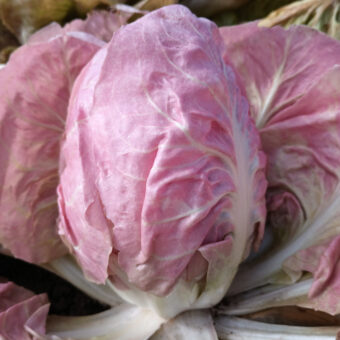
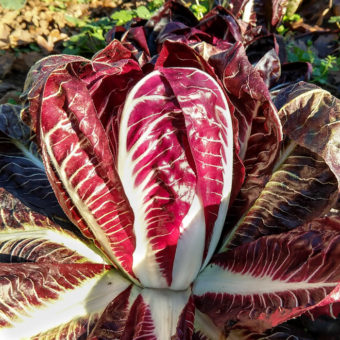
Cichorium intybus. Round heading type. 75 days. An outstanding selection of a solid heading radicchio with a 4-6” tall, elongated shape. Deep red/purple leaves with broad white mid-ribs are nice and crunchy with the tangy bitterness that radicchio is known for. We loved this variety for our winter CSA, as the tight wrapping on the…
Select options
This product has multiple variants. The options may be chosen on the product page
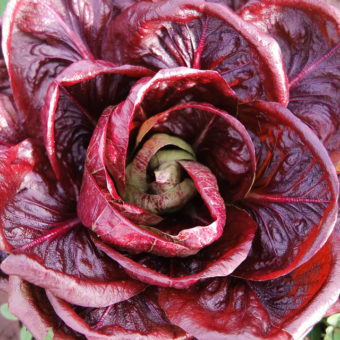
Cichorium intybus. Tall heading type. 80 days. Large heads have a deep red leaf color with crunchy white midribs. We have trialed dozens of radicchio varieties over the years and Treviso Mesola is a standout. Italians have many wonderful song-like names for vegetables. This variety is sometimes referred to by its long name, Radicchio Treviso…
Select options
This product has multiple variants. The options may be chosen on the product page
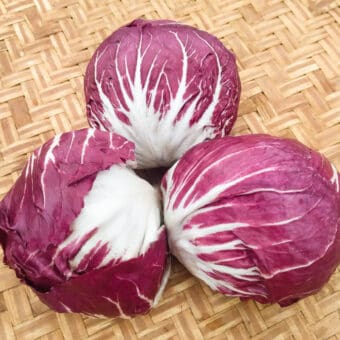
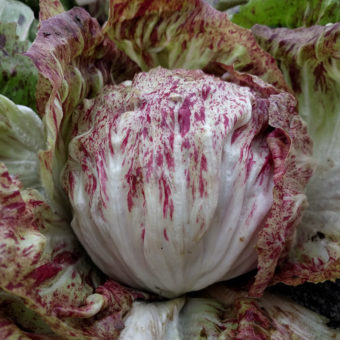
Cichorium intybus. Round heading type. 75 days. Another standout from our extensive radicchio trials. Best for fall and early winter harvest. Heads are slightly variable in shape and size but all have a nice red-pink and white variegation, lacking the green of Castelfranco and Luisa types. Large, round heads (think iceberg lettuce) are beautiful and…
Select options
This product has multiple variants. The options may be chosen on the product page
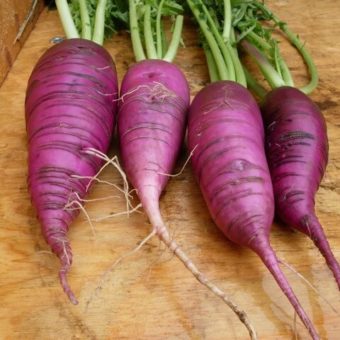
Raphanus sativus. Purple Storage. 60-80 days. Storage radish with bright violet skin and white flesh. Mild radish flavor is good raw, cooked, or pickled. Uncommon in the US but a favorite winter staple in Germany. Keeps well in the root cellar, or in the field all winter here in Oregon, as long as the mice…
Select options
This product has multiple variants. The options may be chosen on the product page
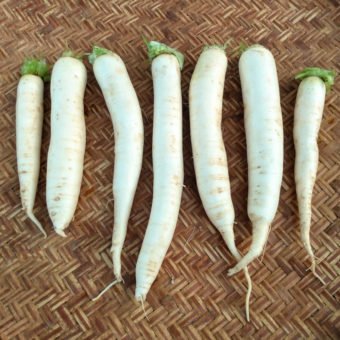
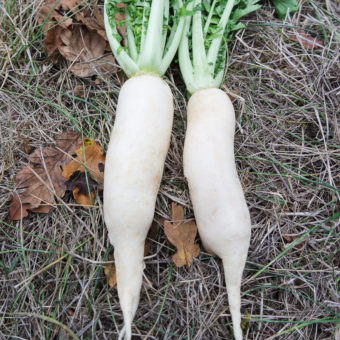
Raphanus sativus. White Daikon. 40-55 days. Classic stump-rooted daikon style radish with mild flavor. White, cylindrical roots can grow to 5 lbs and 16” long but taste best when harvested smaller. Excellent pickled, shredded on salad, or added to soups or stirfry. An outstanding storage crop, in the field or root cellar. Many daikon varieties…
Select options
This product has multiple variants. The options may be chosen on the product page
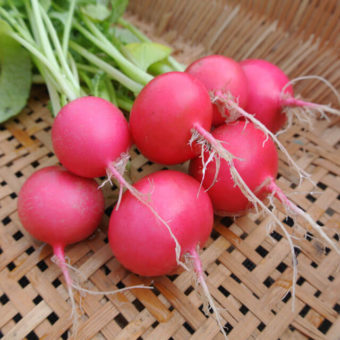
Raphanus sativus. Pink Bunching. 27 days. Round to slightly oval, crisp roots are bright pink and not too spicy. We are rarely impressed with bunching radishes, but these are just darn good. Pink Beauty is all you could ever want in a bunching radish. An excellent market farm variety, praised as being better than many…
Select options
This product has multiple variants. The options may be chosen on the product page
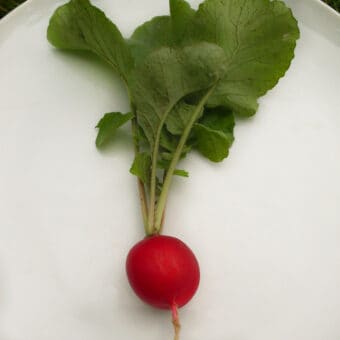
Raphanus sativus. Red Bunching. 26 days. A very high quality classic red bunching radish. Globe shaped with bright white flesh. Refreshingly crisp and quite tasty. Uniform, quick to mature, and holds well much longer in the field than most open pollinated bunching radishes. Rudi was bred by Enza Zaden, the highly regarded Dutch seed company,…
Select options
This product has multiple variants. The options may be chosen on the product page
Phaseolus coccineus. Mix. 70-90 days. A genetically diverse population of edible-pod type runner beans from the British Isles. We have loved growing runner beans from across the pond for some time now and with so many good ones in our trials, we decided to let the best coalesce into one big British Pop mix. Our…
Select options
This product has multiple variants. The options may be chosen on the product page
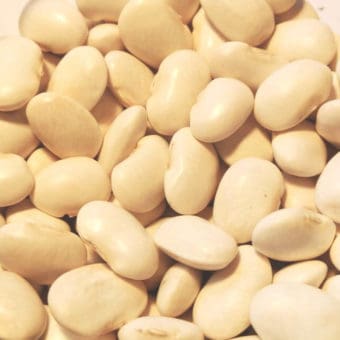
Phaseolus coccineus. White. 90-100 days. Extremely productive and easy to hand harvest, these 8′ tall plants produce tons of delicious, large, white beans. White flowers are edible, and beans are edible when young as large green beans or when mature as dry beans. But we think they are best as fresh shelling beans. White runner…
Select options
This product has multiple variants. The options may be chosen on the product page
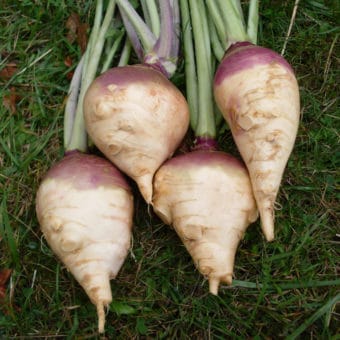
Brassica napus. 80+ days. Angela is an attractive round rutabaga (aka Swede) with purple tops and light golden flesh. A refined English selection of the classic purple top category of rutabagas. Yields a large percentage of high quality roots that have a sweet flavor and are very winter hardy. Shows some resistance to powdery mildew,…
Select options
This product has multiple variants. The options may be chosen on the product page
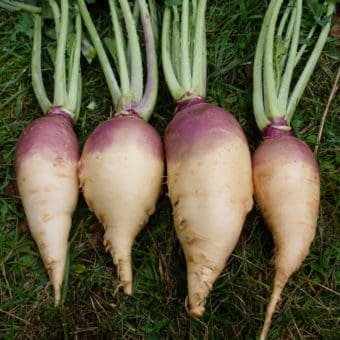
Brassica napus. 80 days. Nicely proportioned, purple top rutabaga with smooth, uniform shape and golden skin. One of the most attractive rutabagas we have ever grown. Major Dunne retains excellent texture and flavor even when very large. Roots are more elongated than a typical rutabaga and stand tall in the field with big healthy leaves….
Select options
This product has multiple variants. The options may be chosen on the product page
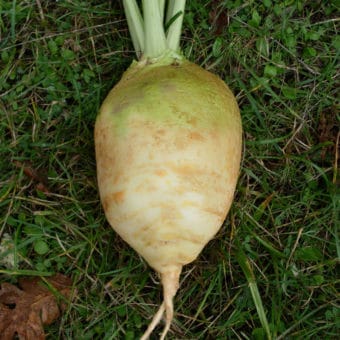
Brassica napus. 80+ days. Large, green-topped Lithuanian rutabaga with golden flesh. they grow into a uniform, large, round shape. Vigorous and early-maturing with very little neck. Nadmorska has a slightly more mustard spiced flavor than the purple top rutabagas. It combines very well with other roots like beets and potatoes in the roasting pan. We…
Select options
This product has multiple variants. The options may be chosen on the product page
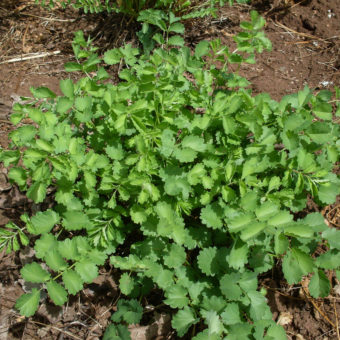
Sanguisorba minor. Perennial. Salad Burnet is a delightful salad green, sometimes added to mixed salads in Europe where it is native. The flavor is a nice accent in salad mix as it tastes like cucumbers. Cute, pinnately compound leaves always receive the question, “Oh, what is that?” We love it for its hardiness and tasty…
Select options
This product has multiple variants. The options may be chosen on the product page
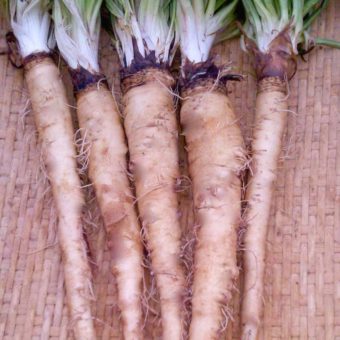
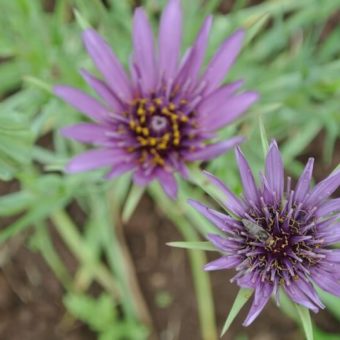
Tragopogon porrifolius. Yet another delicious root crop common in Europe but rarely grown here in the US. Hopefully we can change that as salsify has much to offer! Roots grow to the size and shape of imperator type carrots but are cream colored. Flavor is said to resemble oysters, in fact salsify is also known…
Select options
This product has multiple variants. The options may be chosen on the product page
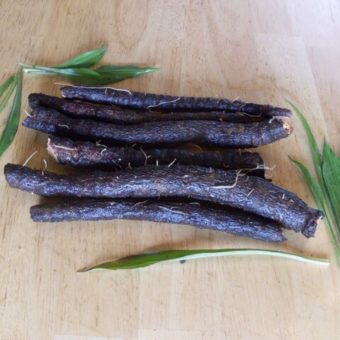
Scorzonera hispanica. This root vegetable has black skin and mild-flavored white flesh. Leaves provide reliable winter greens, and bright yellow flowers in second year are edible. That’s right: three vegetables in one! Not only is this a standby and delicious winter food, but it is a true perennial perfect for the permaculture garden. We found…
Select options
This product has multiple variants. The options may be chosen on the product page
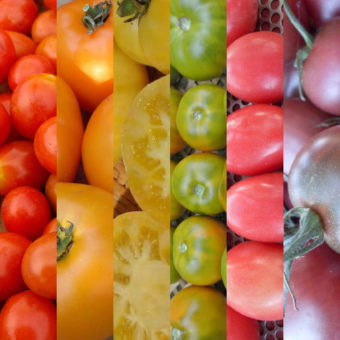
Includes one each of a red, orange, yellow, green, pink, and purple/black tomato. Varieties include both early and main season maturity, and represent slicer, saladette, and cherry types. Here’s one way we’ll find it – the lovers, the dreamers, and us! This collection is packaged in an attractive cotton muslin drawstring bag and includes an…
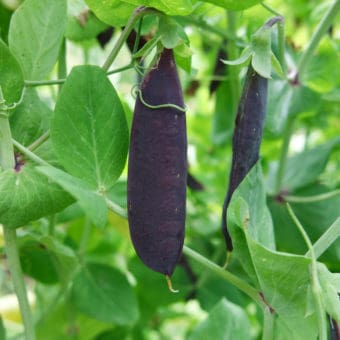
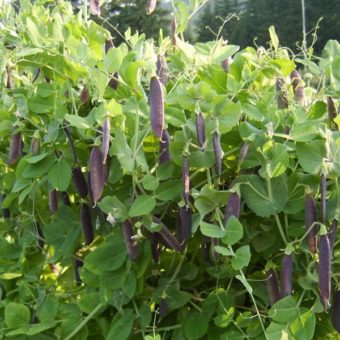
Pisum sativum. Purple Pod Shelling. 4-6′ tall vines, pink and purple flowers. Not an edible-pod type pea but the purple pods contain sweet, tasty green peas for fresh shelling or freezing. One of the best purple-podded types we have grown. The purple pods are easy to find when picking. An heirloom grown by the Carruthers…
Select options
This product has multiple variants. The options may be chosen on the product page
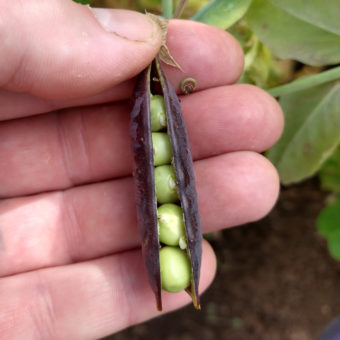
Pisum sativum. Purple Pod Shelling. Another purple-podded pea from Northern Ireland. This one is from County Tyrone and has been grown on the same farm there since at least 1850. Can grow up to 5½’ tall. Purple pods become mottled with green when ripe and the peas have a good, smooth flavor without bitterness. Our…
Select options
This product has multiple variants. The options may be chosen on the product page