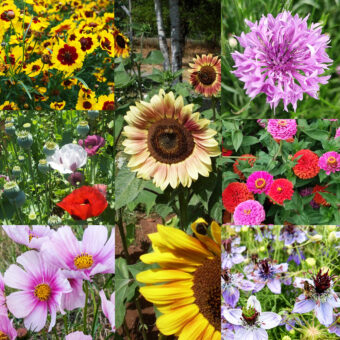
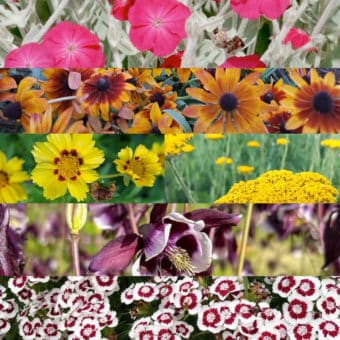
At Adaptive Seeds we grow flowers for many reasons and every year we seem to grow more and more. They are a great addition to any food garden or vegetable farm. Flowers really do add a bit of joy as well as diversity to the landscape.
Below are some special flower attributes to help you decide which ones might be right on your farm or in your garden.
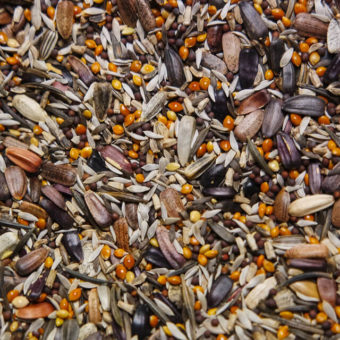
Grow a garden for your feathered friends! Mix contains millet, sunflowers, lettuce, cosmos, mustard, and others. We have at times joked that our efforts are for the birds. Quite literally in this case! Sow in spring for a progression of seeds your backyard birds will love. We have been known to grow catch crops of…
Select options
This product has multiple variants. The options may be chosen on the product page
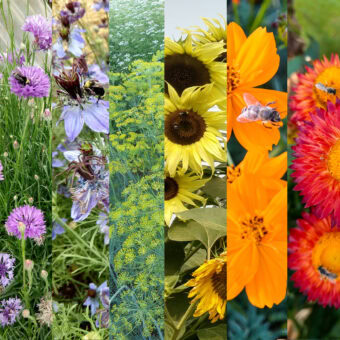
Plant this mix at the edges of your garden to feed pollinators and invite beneficial insects of all kinds. Blooms start early with cilantro and dill and continue through frost. Several of these crops provide good bird food, too. Mix includes sunflowers, zinnias, tithonia, coreopsis, cilantro, fennel, parsley, dill, and others.
Select options
This product has multiple variants. The options may be chosen on the product page
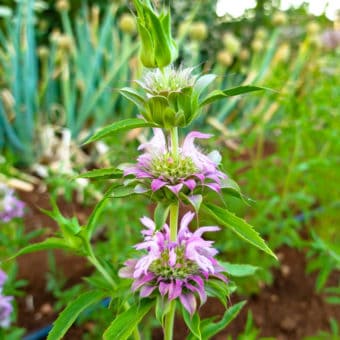
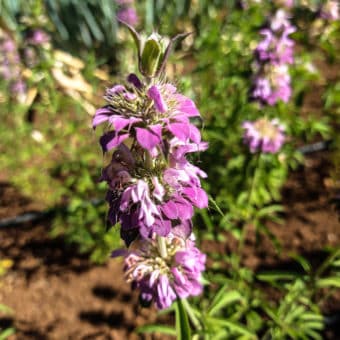
Monarda citridoria. Annual or fall-sown biennial. Lemon Bergamot Monarda achieves the garden trifecta of being an ornamental, culinary/medicinal, and insectary plant. Tubular purple flowers form in clusters around the stem, with two to six clusters along each stem. Perhaps most well known as an herbal flavoring for tea, leaves have a citrusy aroma and flavor…
Select options
This product has multiple variants. The options may be chosen on the product page
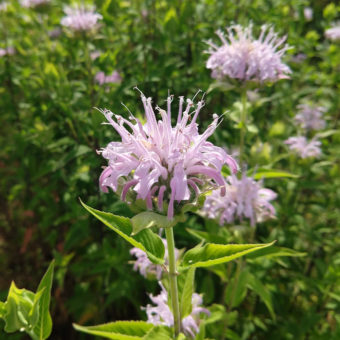
Monarda fistulosa. Perennial in zones 3-10. The name Bee Balm says it all. Bees, butterflies, other beneficial insects, even hummingbirds love to come and drink the nectar of this member of the mint family. We saw a large number of native bumble bees foraging among the summer blooms. Steal a few flowering stems from the…
Select options
This product has multiple variants. The options may be chosen on the product page
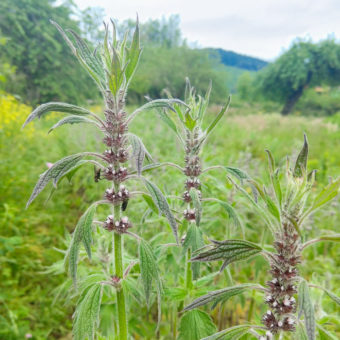
Leonurus cardiaca. Perennial in zones 3-9. Highly medicinal and intensely bitter perennial member of the mint family that grows to 3’ tall and produces small purple flowers in the second year. Motherwort’s flowering tops make a unique cut flower and its presence in the garden is also ornamental. Used medicinally across many herbal traditions for…
Select options
This product has multiple variants. The options may be chosen on the product page
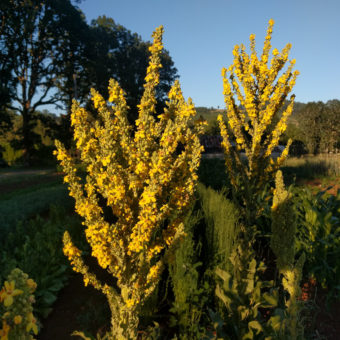
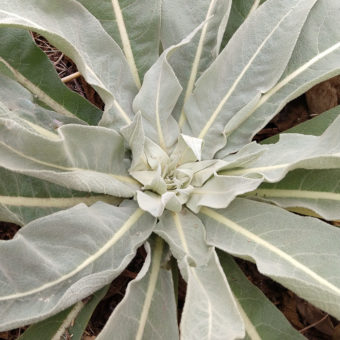
Verbascum densiflorum. Biennial. Beautiful and burly, Dense-Flowered mullein produces lots of easily harvestable pale yellow flowers and sage green leaves for medicinal use and is pretty enough to grow as an insectary or ornamental. Easy to grow. Mullein is said to have a soothing effect on a dry cough, and a tincture made from the…
Select options
This product has multiple variants. The options may be chosen on the product page
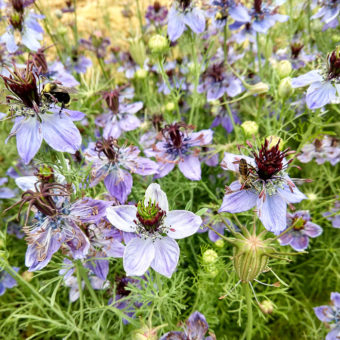
Nigella hispanica. 70-80 days. Purple-blue flowers are 2 ½” wide with a captivating cluster of extruded dark purple stamens and pistils at the center. Pollinator friendly blooms attract almost as many insect visitors as California poppies. Long, 16″ stems make great fresh cut flowers with blooms lasting just over one week – a little longer…
Select options
This product has multiple variants. The options may be chosen on the product page
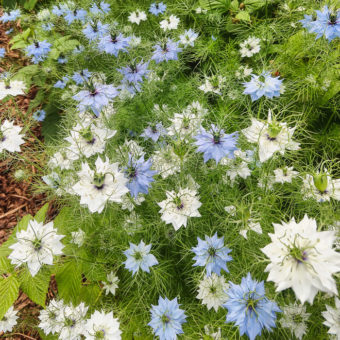
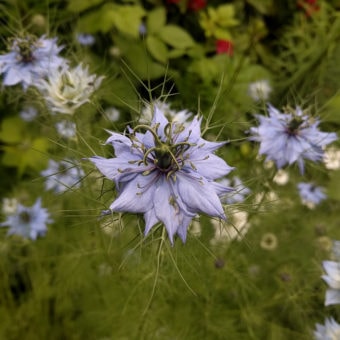
Nigella damascena. 65-75 days A fun and low-maintenance addition to the annual flower garden. Light blue or white, 1 ½” flowers are held within a framework of lacy leaves. As they dry down they transform into bulbous seed heads reminiscent of balloons. Blossoms are a good cut flower when fresh and seed heads make an…
Select options
This product has multiple variants. The options may be chosen on the product page
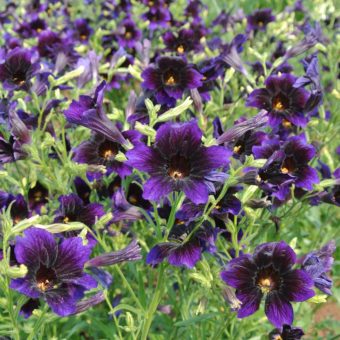
Salpiglosis sinuata. 75 days. Captivating, velvety dark purple trumpet-shaped flowers that bloom continuously up slender-stemmed sprays that reach 3½’ tall. These delicate flowers are not suitable for bouquets, but are a showstopper in the garden and very attractive to pollinators. Plants may need staking to prevent lodging, but we didn’t have this problem. Sow this…
Select options
This product has multiple variants. The options may be chosen on the product page
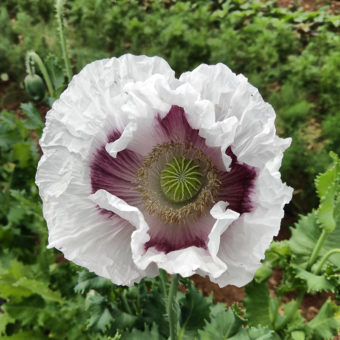
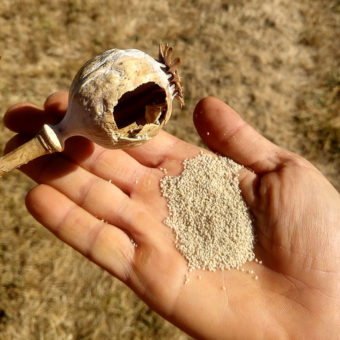
Papaver somniferum. Easy to grow white breadseed type. Elka White Poppy produces nice ornamental white and subtle pink-white flowers with purple smudges in the center. Yields massive quantities of sweet, nutty flavored white seeds that make an excellent paste/ meal when ground into nut butter. Giant seed pods (11⁄2″ x 2″) are sealed and do…
Select options
This product has multiple variants. The options may be chosen on the product page
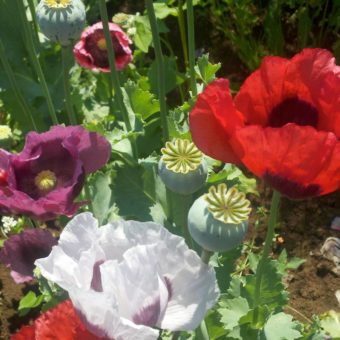
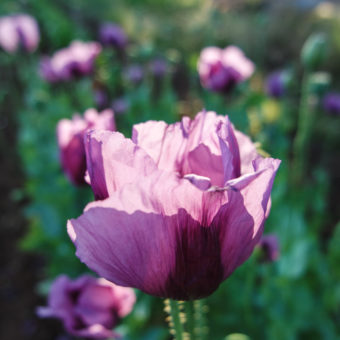
Papaver somniferum. Large, single blooms vary from light purple/white, to pink, red, magenta, and dark purple. This beautiful, easy to grow poppy population is the species commonly used for medicinal purposes. Adapted to our growing region, it is very hardy. Try sowing in the fall for early spring flowering. Can be sown in the spring…
Select options
This product has multiple variants. The options may be chosen on the product page
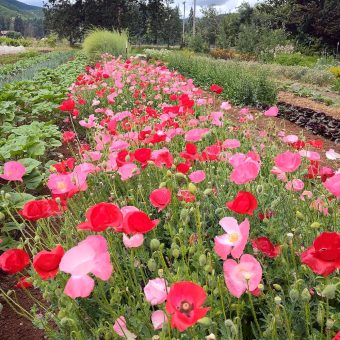
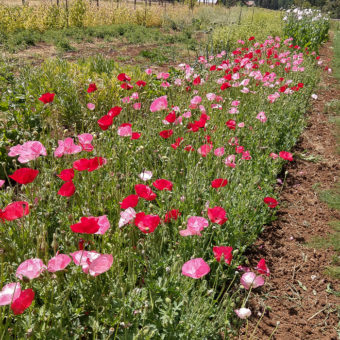
Papaver rhoeas. Short plants produce small flowers in a mix of reds and pinks with the occasional white. Horton Corn Poppy Mix is hugely productive when compared to the few large blooms of Papaver somniferum varieties. We found this mix in 2004 growing semi-wild in the herb garden at Horton Road Organics in Blachly, Oregon….
Select options
This product has multiple variants. The options may be chosen on the product page
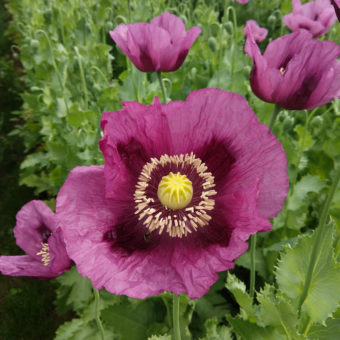
Papaver somniferum. Blue breadseed type. The light blue seeds of this variety have a delicious nutty flavor. With stunning dark purple petals, Hungarian Blue Breadseed poppy also makes a beautiful ornamental, especially when a patch or field is flowering all together. This Hungarian heritage variety is super easy to grow and a highly nutritious staple…
Select options
This product has multiple variants. The options may be chosen on the product page
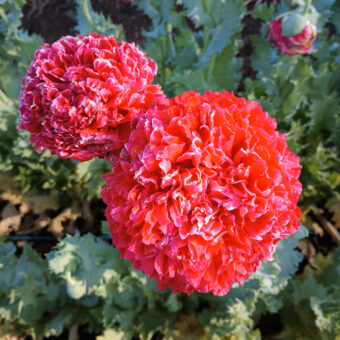
Papaver somniferum. An impressively ruffled, bright red peony poppy with slight frosty edges that is sure to get your attention. Peony poppies are known for producing larger flowers that are fully double, and Lucille sports a poof of petals that seem unending. Our stock seed for this variety is from Wild Garden Seed, where it…
Select options
This product has multiple variants. The options may be chosen on the product page
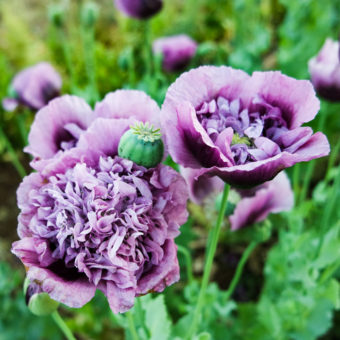
Papaver somniferum. Compact plants with lots of frilly bright-purple poppies. Degree of frills seems to be related to growing conditions as plants can form both super-frill and not-so-frill flowers. The unique frilliness provides a fairly open flower that bees and other beneficial insects love to visit. Collected by The Seed Ambassadors Project at the Seedy…
Select options
This product has multiple variants. The options may be chosen on the product page
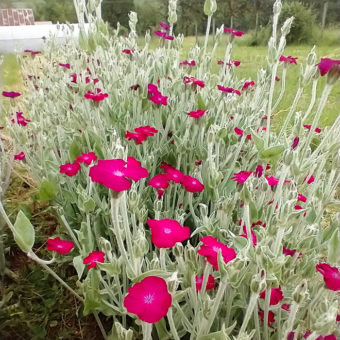
Silene coronaria. Perennial in zones 4-9. Traditionally a very popular, easy to grow flower. Small, magenta blossoms held atop 2-3′ tall, downy silver plants. We find it tolerates neglect better than most plants and will come back perennially for many years. Drought hardy and self seeding – once you get enough going it will naturalize…
Select options
This product has multiple variants. The options may be chosen on the product page
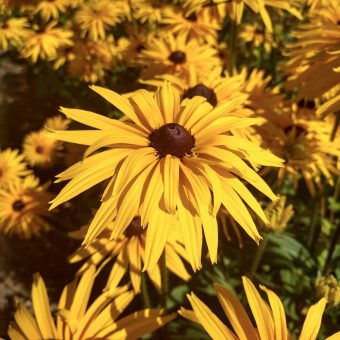
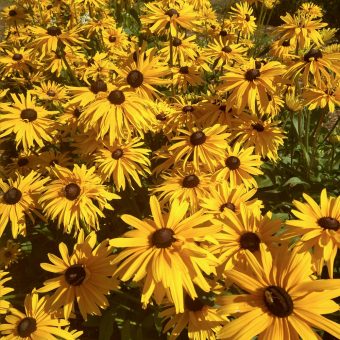
Rudbeckia hirta. 70-90 days. Large, bright yellow / golden black-eyed Susans form atop exceptionally tall (3’-4’!) stems. Most plants produce 5”-6” fully double flowers with copious amounts of petals, but a few single or semi-double flowers can be expected – all are beautiful! All flower types produced by Gloriosa Double Daisy Rudbeckia seem to last…
Select options
This product has multiple variants. The options may be chosen on the product page
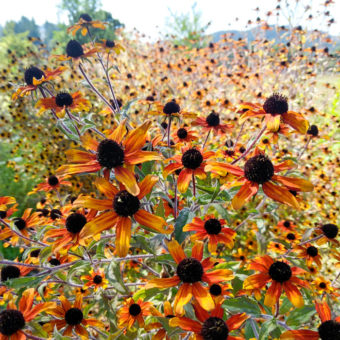
Rudbeckia triloba. Perennial in zones 4-8. A tall coneflower / brown eyed Susan with a wild character. Prairie Glow’s small, 2” red flowers with yellow tips perform well as a cut flower both fresh and dried. Bushy plants reach 4’ tall and produce many stems with a purple tint. Feeds birds, bees, and butterflies, but…
Select options
This product has multiple variants. The options may be chosen on the product page
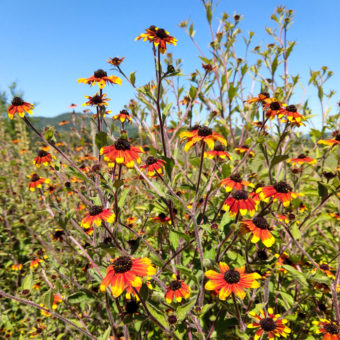
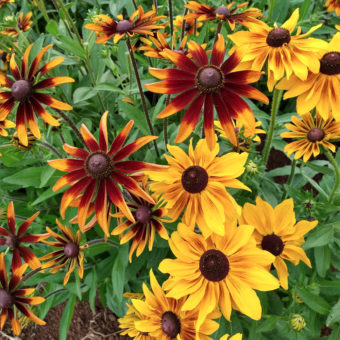
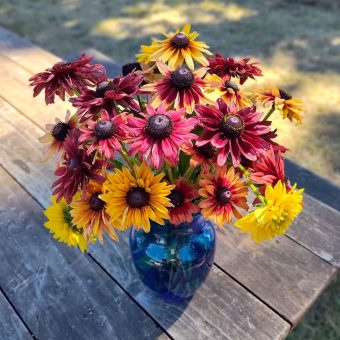
Rudbeckia hirta. 60-80 days. Perennial in zones 7-9. Rudbeckia is commonly referred to as black-eyed Susan, but Rustic Colors is not your average black-eyed Susan. Blooms profusely from spring through autumn with 4” daisy-like flowers that range in color from yellow to orange, red and mahogany. Long stems contribute to its strength as a cut…
Select options
This product has multiple variants. The options may be chosen on the product page
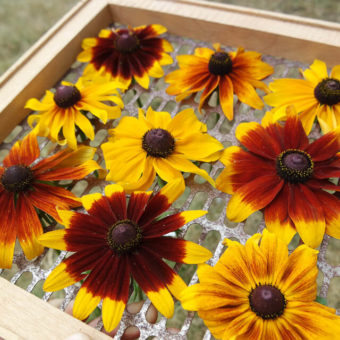
Rudbeckia hirta. 80-90 days. Perennial to zone 8. Sahara Rudbeckia is one of the flowers in our fields that nearly every visitor pauses to admire, and most say they want to grow. With a unique color palette of smoky hues ranging from golden to rose, and burgundy to chocolate (sometimes seemingly all in one flower!),…
Select options
This product has multiple variants. The options may be chosen on the product page
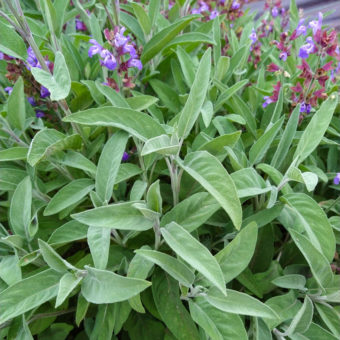
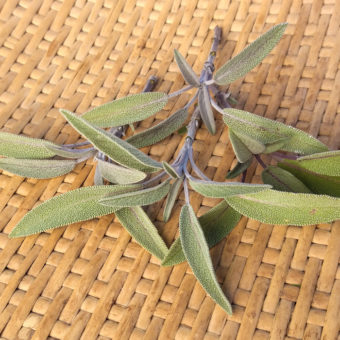
Salvia officinalis. Perennial in zones 5-9. This improved strain of common/garden sage has a high essential oil content making it excellent for culinary and medicinal use. Fast and easy to grow from seed. We especially love to fry up fresh leaves until they’re crispy and serve them with pork chops. We also use Extrakta Sage…
Select options
This product has multiple variants. The options may be chosen on the product page
Who doesn’t love a flower garden? These collections are an assortment of 7 flowers chosen to create a flower patch with a mix of colors, plant textures and layers, and a prolonged blooming period. Pick either our Annual or Perennial collection. This collection is packaged in an attractive cotton muslin drawstring bag and includes an…
Who doesn’t love a flower garden? These collections are an assortment of 7 flowers chosen to create a flower patch with a mix of colors, plant textures and layers, and a prolonged blooming period. Pick either our Annual or Perennial collection. This collection is packaged in an attractive cotton muslin drawstring bag and includes an…
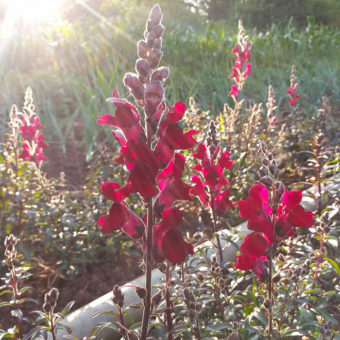
Antirrhinum majus. 60-70 days. We’re big fans of dark flowers; deep dark purples and reds are always welcome in our gardens. The alluring, velvety crimson Black Prince snapdragon is a great addition to our collection. Gorgeous flowers bloom early and continually up stems that reach 2 ½’ tall. Very attractive to bumblebees. Blooms early and…
Select options
This product has multiple variants. The options may be chosen on the product page
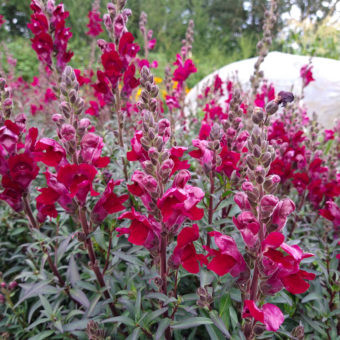
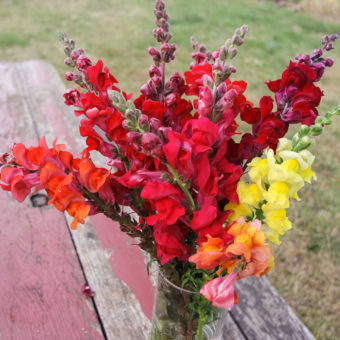
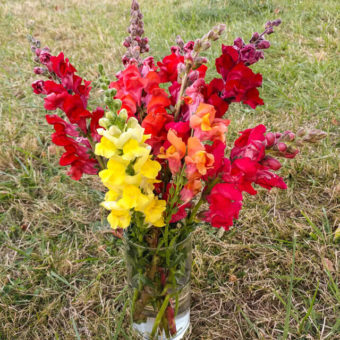
Antirrhinum majus. 70-80 days. Snapdragons are one of the classic annual flowers that every gardener should experiment with. These 3′ tall plants are a bright accent in the garden and also make excellent cut flowers. Flower color mostly ranges from dark-cherry red to peach-orange red, defiantly throwing out the occasional bright yellow plant. This mix…
Select options
This product has multiple variants. The options may be chosen on the product page
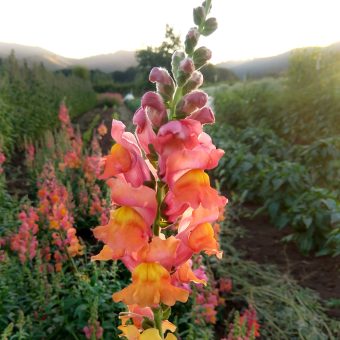
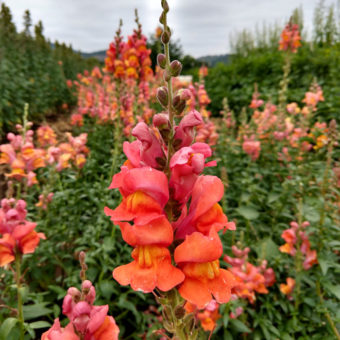
Antirrhinum majus. 50-60 days A stunning example of that magical orange-peach flower color that appears to glow like an eye candy sunset. We love this quality of color wherever we can find it, and Orange Wonder snapdragon is so spectacular that everyone who saw it in our field stopped in their tracks to admire it….
Select options
This product has multiple variants. The options may be chosen on the product page
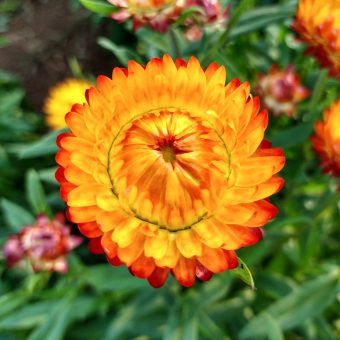
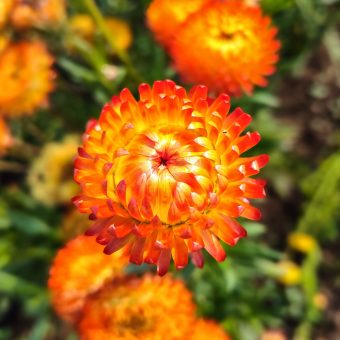
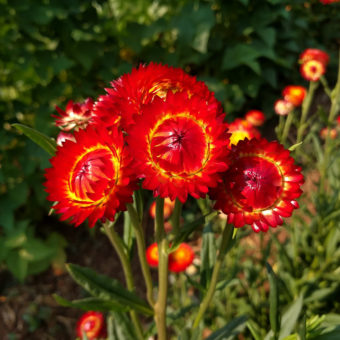
Xerochrysum bracteatum. 75 Days. Striking, fiery red and orange colored strawflowers were selected out of the classic Monstrosum Mix. We selected this variety over many years in an attempt to produce a stable, single color. However, Firefly strawflower had other plans, and continues to provide a diversity of flame-like color combinations. Producing both light and…
Select options
This product has multiple variants. The options may be chosen on the product page
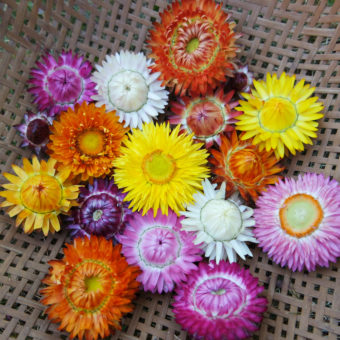
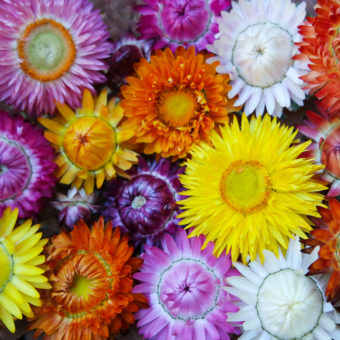
Xerochrysum bracteatum. 75 days. Strawflowers are one of the best everlasting flowers. They are easy to grow, produce loads of blossoms sometimes even after frost, have strong stems, and are tolerant of low fertility and dry growing conditions. Monstrosum Mix is a lovely rainbow of colors including white, orange, yellow, and several shades of pinks…
Select options
This product has multiple variants. The options may be chosen on the product page
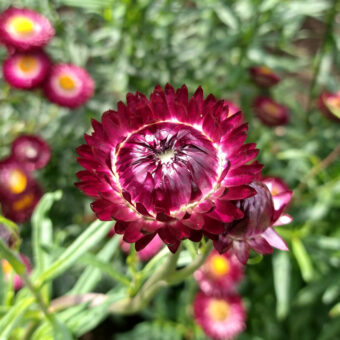
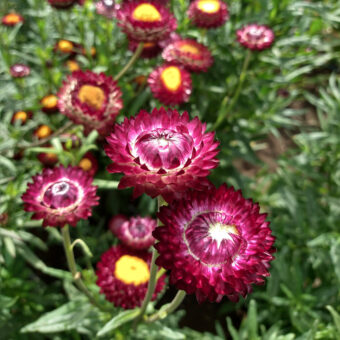
Xerochrysum bracteatum. 65 days. Super dark purple, like a deep shade of red wine, Purple Red strawflower is a fun change from the more commonly grown strawflower colors of bright oranges and yellows. Flowers grow to about 2” across but can be harvested at an earlier stage to avoid the yellow centers that appear when…
Select options
This product has multiple variants. The options may be chosen on the product page
Xerochrysum bracteatum. 75 days. The blooms of Scarlet Strawflower are a vibrantly rich, lovely red with a touch of gold, making this everlasting great for bouquets, wreaths, garlands, and many other creative uses – especially around the holiday season. We have even been known to use them as festive packing peanuts for gifts! Blossoms grow…
Select options
This product has multiple variants. The options may be chosen on the product page
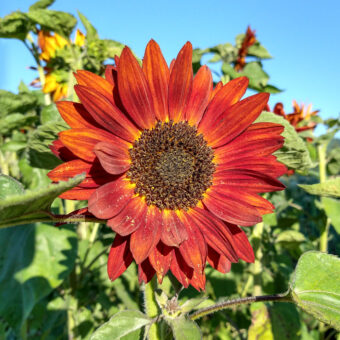
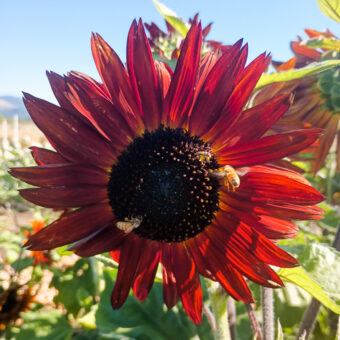
Helianthus annuus. 60 days. We are excited to offer our improved version of Red Sun Sunflower! Better Off Red began with a few seeds from a self-pollination of the best and reddest plants in a mix of a (barely red at all) population of so-called Red Sun Sunflower. Re-selected and stabilized over several years, we…
Select options
This product has multiple variants. The options may be chosen on the product page
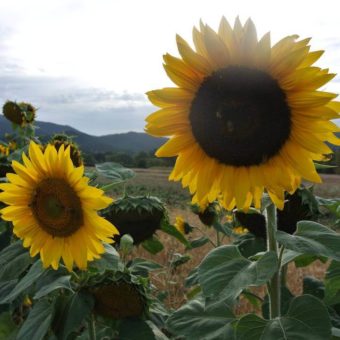
Helianthus annuus. 5-7′ tall plants produce mostly single, 8-12” flowers with yellow petals. Large, black seeds are tasty as a snack and also good for fresh sprouts since they’re huge. Black seeded sunflower seeds are a popular protein-rich food in eastern Europe, and are very popular with the birds here at our farm. May also…
Select options
This product has multiple variants. The options may be chosen on the product page